If you’ve ever stood next to a running high-pressure piston compressor on a manufacturing floor, you might have noticed the quiet hum that sets in after the initial, sharp startup roar fades. That steady sound isn’t just the machine doing its job—it’s a sign that every component, from the piston rings to the discharge valve, is working in sync. But here’s what many first-time compressor operators don’t immediately grasp: that hum depends almost entirely on one often overlooked part of the system: the air intake. As a supplier who’s worked with high-pressure piston compressors for over 12 years, I’ve seen too many projects go off the rails because someone ignored the basic, non-negotiable rules of air intake requirements. Today, I want to pull back the curtain on what those requirements actually are—no overly technical jargon, just real-world lessons from the shops I’ve supported. High Pressure Piston Compressors
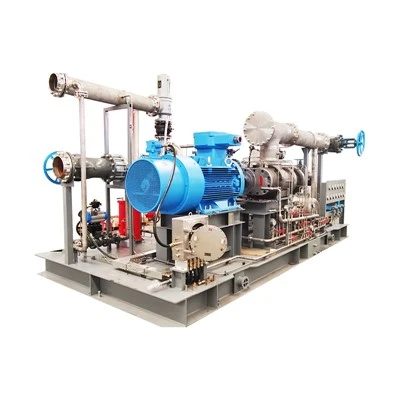
Let’s start with the most common mistake new operators make: assuming any open air source will work. A few years back, a food processing plant in the Midwest reached out to us in a panic. They’d installed a new 350-bar high-pressure piston compressor to power their nitrogen generation system, but three weeks in, the compressor would overheat and shut down every afternoon. When our service team arrived, we pulled a quick air quality test on the intake they’d mounted 10 feet from a loading dock. The readings showed 20 parts per million (ppm) of diesel fumes, 15 ppm of organic dust from raw grain deliveries, and a humidity level that climbed to 85% by midday. Those contaminants weren’t just annoying—they were destroying the compressor’s intake filters and forcing the piston assembly to work harder than it was designed to. Within a week, we had them reroute the intake 25 feet away from the loading dock, install a cyclonic pre-filter to knock out coarse dust, and adjust their intake temperature control. The overheating stopped, and their compressor ran reliably for another six years. That story drives home a core truth: air intake isn’t just “getting air in”—it’s getting the right air in, in the right way.
First, let’s talk about airflow rate, the foundation of every intake requirement. For high-pressure piston compressors, airflow is measured in cubic feet per minute (CFM) at free air delivery (FAD)—that is, the volume of air the compressor actually compresses and delivers, not just the air that flows through the intake. A common rule of thumb we use in our shop is that intake airflow needs to be 10-15% higher than the compressor’s rated FAD. Why? Because intake filters, piping, and bends create pressure drops—small, almost unnoticeable losses that add up fast. If a compressor is rated for 100 CFM FAD, skimping on intake airflow means it’s sucking air faster than the intake can supply, which pulls in hot air and creates a low-pressure vacuum that damages the piston valves. We once had a small aerospace parts manufacturer try to save $200 by using 2-inch piping for a 100 CFM compressor; switching to 3-inch piping (the correct size for that FAD) didn’t add much to their setup cost, but it cut their compressor’s energy use by 8% and extended its service life by two years. Size of intake piping, number of elbows, and even the height of the intake opening all factor into this—small details that make a huge difference.
Next, air quality is non-negotiable, not optional. High-pressure piston compressors move air at ratios of 10:1 up to 500:1, so even tiny contaminants get magnified exponentially. Let’s break down the key contaminants and their limits: first, solid particulates. The standard we follow is that intake air should have no more than 0.1 milligrams of particulates per cubic meter (mg/m³). That’s because dust, pollen, or metal shavings will abrade piston rings and cylinder walls over time, leading to internal leaks and lower compression efficiency. We’ve seen compressors with intake air from a nearby wood shop develop scratches in their cylinders that required a full overhaul in 18 months—instead of the expected 6-7 year service interval. Second, liquid contaminants, most notably water vapor and oil. The intake’s relative humidity should stay below 60% at the intake location. High humidity causes water to condense in the compressor’s cylinders, leading to rust, hydraulic lock (when liquid water can’t compress, bending piston rods), and corrosion on discharge valves. The grain processing plant I mentioned earlier had this exact issue—their intake’s humidity was so high that water mixed with dust to form a sludge that clogged the intake filter and built up in the compressor’s aftercooler. Third, gaseous contaminants. No intake air should have more than 5 ppm of hydrocarbons, diesel fumes, or chemical vapors. Gases don’t just clog filters—they can ignite inside the compressor when compressed (high compression generates heat) or react with the compressor’s lubricating oil to form harmful varnish that gums up valves and pistons. We once supported a chemical plant that mounted their intake near a storage tank for cleaning solvents; the intake had 12 ppm of solvent vapor, and within a year, their compressor’s valves were so coated in varnish that they could barely open and close, cutting their compressed air output by 30%.
Temperature control is another critical piece most people miss. High-pressure piston compressors rely on cool intake air to work efficiently. The ideal intake air temperature is between 10°C (50°F) and 35°C (95°F). Why? Because when air is hot, it’s less dense—so the compressor has to work harder to pull in the same amount of oxygen and nitrogen, leading to lower FAD and higher energy use. If intake air climbs above 40°C (104°F), we’ve seen compressor efficiency drop by 15-20%, and risk of overheating spikes dramatically. A few years back, a construction company tried to operate a 250-bar compressor for a bridge project in Arizona, where summer outdoor temperatures hit 48°C (118°F). They mounted the intake on the side of their truck, exposed to direct sun all day. Their compressor would shut down every two hours to cool, and they went through three sets of piston rings in six months. We had them install a simple sunshade over the intake and route the intake duct to the shaded interior of their truck’s tool compartment. That small change brought intake temperature down to 32°C (90°F), and their compressor ran 12-hour shifts without stopping. Even in cold climates, temperature matters—intake air below freezing can cause water in the air to turn to ice, clogging filters and damaging impellers if they’re part of the intake assembly.
Now, how do you actually design an intake that meets all these requirements, without overspending? Let’s walk through the step-by-step process we use for every customer, tailored to their compressor model and application. First, start with the compressor’s rated FAD. Don’t guess—check the manufacturer’s spec sheet to get the exact free air delivery at the pressure you’ll be operating at. For example, a compressor rated for 100 CFM at 100 bar might only deliver 85 CFM at 350 bar, so your intake needs to be sized for that lower FAD. Next, select the intake location carefully. It should be at ground level (or slightly elevated, to avoid picking up dust from the floor), at least 10 feet away from any exhaust vents, loading docks, storage areas, or other sources of contaminants. Avoid mounting intakes near overhead pipes or equipment that might drip oil or debris. If your shop has high levels of dust or fumes, locate the intake on the windward side of the building, so it pulls in cleaner air instead of exhaust from other operations.
Then, add the necessary intake components to filter and condition the air. For most general industrial applications, a two-stage intake system works best: first, a cyclonic pre-filter to knock out large, coarse particles (like dust, leaves, or construction debris) before they reach the finer filters. Cyclonic pre-filters use centrifugal force to spin heavy particles out of the air, so they don’t clog the main filter. Next, a high-efficiency particulate air (HEPA) grade filter rated for MERV 14 or higher, which catches fine particles as small as 0.3 microns. For applications with high humidity, add an air dryer or a desiccant system at the intake point—this removes excess water vapor before it enters the compressor. If you’re dealing with gaseous contaminants (common in food processing, chemical, or printing facilities), install an activated carbon filter upstream of the HEPA filter to trap vapors and hydrocarbons. Also, don’t forget a pressure gauge and a differential pressure gauge on the intake. The differential pressure gauge will tell you when the filter is clogged—when the pressure drop across the filter exceeds 2 psi, it’s time to replace it. Waiting longer than that is a surefire way to hurt compressor performance.
One more thing: proper installation of the intake piping. The piping should be as short as possible, with as few elbows and bends as possible—each 90-degree elbow adds about 0.5 psi of pressure drop, which adds up. Use smooth, metal piping (PVC or plastic can off-gas and introduce contaminants) and keep the diameter consistent from the intake opening to the compressor’s inlet. Avoid sharp turns, and make sure the piping is sloped slightly downward away from the compressor, so any condensed water that forms in the piping can drain out, not into the compressor.
I know this might sound like a lot to keep track of, but the alternative—ignoring intake requirements—costs way more in the long run. We’ve had customers come to us after 2-3 years of cutting corners on intake, needing a full compressor overhaul that costs 40-50% of the original machine price. By investing 2-3% of your total compressor cost in a properly designed intake system, you avoid those massive repair bills, reduce energy use, and keep your compressor running reliably for 10+ years.

At the end of the day, high-pressure piston compressors are workhorses—they power everything from natural gas pipelines to pharmaceutical manufacturing to aerospace part testing. But even the best compressor can’t do its job if it’s breathing bad air. We’ve built our business over the last decade by helping customers get their intake systems right the first time, avoiding the headaches that come from rushed installations or overlooked details. If you’re in the market for a new high-pressure piston compressor, or you’re looking to troubleshoot an existing setup that’s underperforming, we’re here to help. We don’t just sell machines—we work with you to design an intake system that fits your specific operation, so you get the maximum life and efficiency out of your compressor. Don’t let a bad intake derail your next project—reach out to us today to start the conversation.
High Pressure Breathing Air Compressor References:
- Compressed Air and Gas Institute. (2018). Air Intake Requirements for Piston Compressors. CAGI Technical Bulletin 102.
- Hydraulic Institute. (2020). Contaminant Control in Positive Displacement Compressor Intake Systems. HI Engineering Guide.
- American Society of Mechanical Engineers. (2019). Standard for Compressed Air Quality and System Efficiency. ASME PTC 10-2019.
- National Fluid Power Association. (2021). Intake Design Guidelines for High-Pressure Industrial Compressors. NFPA Technical Report 12-21.
Shanghai Sollant Energy Saving Technology Co., Ltd.
As one of the most professional high pressure piston compressors manufacturers and suppliers in China, we’re featured by quality products and good service. Please rest assured to buy bulk durable high pressure piston compressors from our factory. Welcome to view our website for more information.
Address: No.215, Songri Center, Beihongqiao, Jiading District, Shanghai, China.
E-mail: info3@sollant.com
WebSite: https://www.sollant-gas.com/
