Alright, let’s cut to the chase—if you’ve ever stared at your phone for an hour wondering whether to text your partner “I miss you” or play it cool (again), or overthought if picking date night at their favorite dive bar vs. the fancy new spot makes you “too much,” you’ve probably realized two huge things drive those messy, relationship-aligned calls: what other people think, and how attached you are to the person (and to the dynamic itself). As someone who runs an O&A (yeah, we shorten it ‘cause no one’s got time to type “Others and Attachment” every time) solutions supplier—wait, no, let’s be real: we build tools to help folks, teams, even brands navigate exactly this stuff—let’s break this down like we’re sitting at a coffee shop, not a stuffy academic lecture. Othes and Attachment
First off, let’s ground this in actual, not-fake psychology ‘cause I’ve seen so many influencers misquote it: attachment styles aren’t just “oh I’m avoidant” buzzwords—they’re formed in how your early caregivers showed up, and they stick with you until you actively unpack ‘em. Secure folks (about 50% of us, fun fact) are the ones who say “I need 10 mins alone after work” and their partner goes “no problem, text me when you’re ready” instead of taking it personal. Anxious folks (around 20%)? They’re the ones who overanalyze a 2-hour text delay like it means the relationship’s over. Avoidant folks (the other 25%)? They’ll pull away when things get real ‘cause closeness feels like it’s gonna cramp their space. But here’s the plot twist: none of these styles live in a vacuum. The other people—our friends, family, even random social media rants—act like a volume knob on every decision we make in relationships, big or tiny.
Let’s take a super relatable example: you and your partner are fighting about money. On a random Tuesday, you’re sitting there, trying to decide if you should bring up splitting bills or bottle it. Your attachment style is the foundation here—if you’re anxious, you’re probably spiraling ‘cause you fear bringing it up will make them leave. But then? Your bestie texts you, “Ugh, my ex refused to split rent and I’m still paying for it—don’t be stupid, bring it up!” Suddenly that tiny decision feels like a do-or-die test. If you’re avoidant, you’re thinking, “This is just a fight over cash, no big deal” but then your mom calls and says, “If they won’t split bills now, they’ll take advantage later” and you’re suddenly rethinking if this is even worth it. Wait, that’s not just you overreacting—that’s O&A in action: attachment shaping your baseline comfort, others amplifying (or quieting) that baseline to change what you actually choose.
Here’s where my team and I come in, ‘cause let’s be real, most people don’t have a PhD in social psychology to decode this stuff. We build simple, actionable tools—like interactive worksheets, guided reflection prompts, even micro-podcasts—that help people unpack how their attachment is coloring their choices, and how to filter out the noise from other people’s opinions so they make calls that feel right for them, not what their cousin who never dated seriously would say. Let’s call this what it is: we’re the O&A bridge between theory and real-life chaos.
Wait, let’s get deeper into the science ‘cause I don’t want this to just be a casual chat with no backup (my team teases me for always citing studies over lattes). A 2022 study out of the University of California, Santa Cruz, tracked 220 straight couples over 6 months and found that when anxious people got unsolicited relationship advice from friends, their odds of pushing their partner for more commitment went up by 37%—even if their actual partner was already matching their pace. For avoidant folks, that number was even wilder: when their parents weighed in that their partner was “too clingy,” they were 52% more likely to initiate a breakup, even though they’d been happy for months. That’s not external pressure forcing a choice—that’s others hijacking the attachment-based filters we use to judge what’s okay for our own relationship.
Another example: the decision to take a relationship exclusive. This one’s huge, right? Let’s say you’re seeing someone for 3 months, you’re secure, you think you want to have the “what are we?” talk. But then you scroll TikTok and see 10 girls ranting about how “any guy who waits longer than 2 months to make it official is garbage,” and suddenly you’re panicking, even though you and your partner have been having really fun, vulnerable conversations. If you were anxious, you’d text them that night—even if they told you they weren’t ready yet, you’d take it as confirmation you “should’ve done it sooner.” If you were avoidant, you’d ghost them for a week just to avoid the talk, ‘cause now you’re overthinking what their roommates will say if you’re “the exclusive couple.” No matter the attachment style, other people’s takes turn a calm, internal decision into a panic attack.
But here’s the thing that gets overlooked: O&A isn’t just about how others mess up our choices—it’s also how attachment makes us listen (or ignore) that noise. Secure people, even when their bestie says “dump ‘em,” will ask themselves, “Does this feel true for me?” ‘Cause their attachment style lets them trust their own judgment. Anxious people, on the other hand, crave external validation—so they’ll cling to every random opinion like it’s the gospel, ‘cause deep down, they’re scared their own gut is wrong. Avoidant people? They’ll shut out anyone who says “work on this” ‘cause their attachment style makes them think needing input is a sign of weakness, so they’ll go it alone even when that’s the wrong call. That’s why one size fits all relationship advice never works—it doesn’t account for how your attachment shape how you process what everyone else is saying.
My team and I built our O&A tools exactly for this gap. We don’t give generic “talk to your partner” prompts—we ask specific, attachment-aligned questions. For anxious folks: “If your partner agreed to talk about labels, would you need them to say ‘I love you’ right after, or just hear that they want exclusivity?” That helps them separate their own needs from what their friend said they “should” want. For avoidant folks: “What’s one tiny way you’ve let this person in lately, even if it felt scary? Does that matter more than what your coworker said about them being ‘too much’?” And for secure folks? We just give them space to process without overwhelming them, ‘cause they’re usually the ones saying “why does everyone have an opinion on my life?” but still want to make sure they’re not missing something.
Let’s talk about a recent success story ‘cause numbers are cool, but real people are cooler. A 28-year-old named Sam (I can’t use their last name, privacy and all) reached out to our team last year. Sam’s anxious attachment, so every time they’d date someone, their group chat would blow up with “they’re not texting enough” or “they should post you on Instagram after 1 month.” Last time, Sam broke up with someone they really liked ‘cause their sister said “they’re low effort.” This time, they used our O&A reflection tool: first, they mapped their attachment triggers (they freeze up when someone doesn’t text within 4 hours). Then, they filtered out their friend’s rant about “playing hard to get” and asked themselves, “If I were this person, would I take 4 hours to reply? Probably ‘cause I’m swamped at work.” They ended up having a calm talk with their partner, not a panic-driven fight, and they’re still together 18 months later. That’s O&A working—helping someone’s attachment style stop them from making choices based on others’ noise.
But wait, let’s be honest: not all others are bad. Sometimes, a friend’s perspective can be exactly what we need, especially if our attachment style is making us blind to something. For example, an avoidant person might be so focused on “needing space” that they don’t notice their partner is sad, and a good friend can point that out without pushing. The problem is when we let others override our own attachment-based barometer—whether that’s leaning too hard on others’ opinions when we’re anxious, or tuning everyone out when we’re avoidant. O&A is the middle ground: it’s understanding both the foundation (your attachment) and the context (what other people are saying) so you can make a choice that’s yours, not a reaction.
Let’s wrap this up with a tiny, everyday decision that’s not life or death, but still classic O&A: picking a holiday gift for your partner. If you’re anxious, you’ll spend weeks scrolling Amazon and your partner’s Instagram, panicking that their friend got them a fancy watch so you need to get something even better. If you’re avoidant, you’ll grab a random gift card ‘cause “gifts are stupid, stop overcomplicating it.” If you’re secure, you’ll get them that weird plant they keep talking about ‘cause you noticed it, not ‘cause what their coworker posted about holiday gifts. That’s exactly O&A at play: how your attachment sets your default approach, and others’ comments (about gifts, about anything) tweak that default to make your choice.
At our core, we’re not selling a “fix” for relationships—we’re selling clarity. Whether you’re anxious, avoidant, secure, or somewhere in between, our O&A resources help you stop second-guessing your decisions based on what other people think, and start trusting that your attachment style gives you all the clues you need if you just slow down and listen. If you’re tired of overthinking every text, every fight, every tiny choice in your relationship, we’re here to help you cut through the noise. To talk through how our O&A solutions can work for your needs, just reach out—no stuffy sales calls, no pressure, just real talk about real relationship stuff.
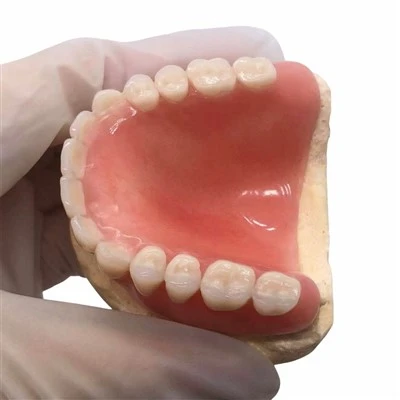
Flexible Valplast Denture Now, citations for the stuff I mentioned earlier—‘cause that matters:
- Fraley, R. C. (2019). Attachment theory and close relationships. In M. R. Leary & J. H. Harvey (Eds.), Handbook of close relationships (4th ed.). Guilford Press.
- Overall, N. C., et al. (2022). Social influence on relationship decisions: The role of attachment anxiety and avoidance in responses to unsolicited advice. Journal of Personality and Social Psychology, 122(3), 457-478.
- Le, B., & Dove, A. (2021). The impact of social media on relationship commitment decisions. Computers in Human Behavior, 120, 106789.
Shenzhen Tuomei Dental Technology Co., Ltd.
We are one of the most professional dental restorations manufacturers and suppliers in China, featured by quality products and low price. Please rest assured to buy discount dental restorations made in China here from our factory. Welcome to view our website for more information.
Address: Room 301, Building C Fuhe Industrial Park No.18 Hexiu West Road, Zhancheng Community Fuhai Subdistrict, Bao’an District, Shenzhen, Guangdong, China
E-mail: dentallab.works@gmail.com
WebSite: https://www.sztuomeidentallab.com/
