Let me pull back the curtain on a question I get at least a dozen times a week—can indoor LED displays actually work for advertising? As someone who’s spent the last eight years selling and installing these things for retail stores, shopping malls, office lobbies, and even hospital waiting rooms, I don’t just have a sales pitch for this; I’ve seen the data, the mistakes our clients made with old digital ads, and the wins that turned small business owners into repeat customers. Let’s cut through the hype, skip the generic marketing jargon, and talk about what this technology actually does for brands, because that’s the part no one tells you when they’re shoving a brochure at you. Indoor LED Display
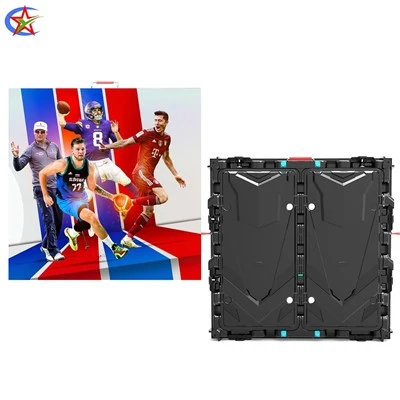
First, let’s ground this in reality, not the flashy trade show demos that make LED displays look like something out of a sci-fi movie. A lot of people still confuse indoor LED displays with the bright, garish billboards you see on highways at night—those are outdoor LED displays, built to stand up to rain, wind, and direct sunlight. Indoor displays are different: they have pixel pitches (the distance between each light square) measured in millimeters, not feet, so they look sharp from 3 feet away, not 30. For context, most small indoor retail ads use a 1.5mm or 2mm pixel pitch; sit 5 feet in front of it, and you won’t see individual pixels, just crisp text, smooth video, and even detailed product photos the way they were meant to look. That’s not a small difference. For a bakery selling sourdough, a blurry photo of a crusty loaf on a old flat-screen is going to get ignored. A sharp, warm LED ad that shows the crust glistening, steam curling off a fresh slice, and the price right there for anyone waiting in line? That’s going to make people pause.
Now, the big question: do they actually drive sales, or are they just another fancy screen wasting electricity? Let’s talk about the numbers, because that’s what matters to any business owner. Last year, we worked with a regional grocery chain that replaced their 10-year-old LCD menu boards in 12 locations with indoor LED displays. Their numbers didn’t lie: in the first quarter after installation, impulse purchases of pre-made meals, flowers, and seasonal snacks jumped 18% in those locations. Why? Because the LED displays let them update ads in real time. On a slow Tuesday afternoon, they’d run a flash sale on soup; on Saturday morning, they’d switch to a video of kids’ cookies to target families stocking up for the weekend. Old LCD screens would take hours to re-program, and the resolution was so bad that the video of the cookies looked like a blurry blob. No one noticed.
Another client was a boutique gym in downtown Chicago. They put a 8-foot wide LED display in their lobby, and instead of just posting “sign up here” ads, they ran a mix of content: before 9 a.m., they ran quick 15-second videos of early-morning spin classes to grab commuters rushing in; during lunch, they showed meal prep tips paired with ads for their 3 p.m. yoga drop-ins; after work, they ran before-and-after transformations to appeal to people finishing their day. Within six months, their monthly sign-ups went up 24%, and when we surveyed new members, 32% said the lobby display made them stop and look at what the gym offered. That’s not luck—that’s targeted, high-quality content working because the display can handle dynamic, high-resolution ads old tech couldn’t pull off.
Wait, but what about the downsides? I’m not going to pretend indoor LED displays are perfect, because that’s how you get clients who buy something that doesn’t fit their space and end up hating it. The biggest mistake we see small businesses make is buying a display that’s too big or too bright for their space. A display in a small coffee shop with a 0.9mm pixel pitch—that’s designed for big conference rooms or large shopping malls—will look overwhelming, like someone put a TV in your living room on full blast. We always sit down with clients and ask three questions: how far do people stand from this screen on average? How much natural light is in the space? What kind of content do you want to run?
For example, a small boutique in a dim back corner of a mall, where people stand 8 feet away when they browse clothing, would get a 2mm pixel pitch. The image will be sharp, not too large, and it won’t hurt anyone’s eyes when they’re scrolling. A fast-food restaurant where people stand 3 feet from the menu boards? We go with 1.2mm, so text is clear for people ordering in a hurry. And about brightness: indoor displays have a brightness range of 500 to 1,500 nits. A dim lobby only needs 500 nits—any brighter, and it’s distracting. A food court with big overhead windows needs 1,000+ nits so ads don’t get washed out by sunlight. Get that wrong, and the display is useless, no matter how flashy it is.
Another myth: they’re way too expensive for small businesses. Let’s do the math, because that’s the part most salespeople skip. A good 55-inch indoor LED display (large enough for most small retail ads or office lobbies) costs around $2,500, installed. A comparable high-end LCD is around $1,200. But here’s the catch: LCDs have a lifespan of about 50,000 hours, while quality indoor LED displays last 100,000 hours or more. That’s double the life. Plus, LED displays use about 30% less electricity than LCDs of the same size—over 5 years, that’s around $300 in savings on power bills. You also don’t have to replace them as often. I had a client who bought an LCD display for his bar in 2018; last year, the screen started fading, and the repair cost was half the price of a new LED display. He’s now on his third LCD. That $2,500 LED he bought in 2019 is still working perfectly, no repairs, no fading. Over 5 years, the LED works out cheaper, and gives a better ROI.
Wait, but what about spaces where people are just walking through, like a hotel elevator lobby? Do ads on LED displays even get noticed? I worked with a 10-story hotel in Nashville that replaced their old static posters in elevator lobbies with small 3×4 foot LED displays. Before, guests only saw the same posters for valet parking and the restaurant. After, the hotel ran rotating ads for weekend brunch, local concert tickets, and room service delivery. Within three months, weekend brunch reservations from hotel guests jumped 22%, and room service orders were up 15%. The key here is frequency: every time a guest waits for an elevator, they’re looking at that display. It’s not intrusive, because it’s the only thing on the wall besides the elevator buttons, and it changes every 10 seconds so it doesn’t get boring. Static posters get glanced at once, then forgotten. Dynamic, high-quality ads on LED? They’re there every time someone waits, so they stick.
But let’s be real—indoor LED displays aren’t for every business. If you’re a small boutique that only has space for a 2×3 foot sign above your door, an LED might be overkill. A simple lighted static sign works fine. If your content is only going to change once a month, or you’re just posting a single price list, an LED isn’t worth the investment. LEDs shine when you have content that needs to be dynamic, that targets specific audiences, and that needs to stand out in a busy space. A mall food court, a grocery store, a gym, a hotel lobby, a tech office waiting room—those are spaces where people are in a hurry, have time to kill, or are already in the mindset to buy something. An LED display cuts through the noise better than a poster or an old LCD.
I’ll be honest, when I started in this business, I was skeptical too. I thought LED displays were just for big brands with million-dollar ad budgets, running 10-minute video loops. But then I worked with a family-owned pizza shop in Detroit. They had a 10-foot wide LED display above their counter, and they ran ads for $5 lunch slices on Mondays, videos of their homemade dough being rolled, and the daily special—like a pepperoni pizza with free garlic knots. They didn’t have a huge marketing budget, just $50 a month for content creation, and their sales went up 12% in three months. The owner told me, “Before, people would order a slice and leave. Now they stop to look at the screen, see the special, and add a drink or a side. It’s like having a second employee working the register, but never taking a break.”
That’s the real value of indoor LED displays. They’re not a toy for big corporations. They’re a tool that works for businesses that want to connect with customers in a way that old technology can’t. They’re sharp, flexible, long-lasting, and cost-effective over time. The key is working with a supplier who takes the time to figure out what you actually need, not just selling you the biggest, brightest display on the market. You don’t need a display that looks like it belongs in a Times Square billboard. You need one that fits your space, your audience, and your budget—and shows your ads the way they’re meant to be seen.
At the end of the day, indoor LED displays work for advertising because they solve a problem that’s been plaguing businesses for years: how to grab someone’s attention in a busy indoor space. Whether it’s a grocery store line, a hotel elevator, or a downtown bar, people are surrounded by ads all day. The ones that stand out are the ones that are clear, dynamic, and high-quality. LED displays do that better than any other advertising tech out there right now. They’re not perfect, but for most businesses that want to grow, they’re worth every penny.

If you’re thinking about upgrading your advertising displays and want to talk through what works for your space, feel free to reach out for a no-obligation consultation. We’ll go over your space, your audience, and your goals, and help you find the right indoor LED display that fits. Don’t waste money on a display that’s too big, too bright, or not built for what you need. Let’s make your ads work for you.
Indoor Fixed LED Display References
- Digital Signage Federation. (2022). Indoor LED Display ROI & Adoption Trends.
- Lighting Research Center, Rensselaer Polytechnic Institute. (2021). Performance Comparison of Indoor LED vs. LCD Displays for Retail Advertising.
- National Retail Federation. (2023). In-Store Digital Advertising Impact on Impulse Purchases.
- Hospitality Technology Association. (2022). Digital Signage in Hotel Lobbies: Guest Engagement & Revenue Data.
- U.S. Department of Energy. (2021). Commercial Display Energy Efficiency Comparison: LED vs. LCD.
Shenzhen Starcolor Optoelectronics Co., Ltd.
As one of the most professional indoor led display manufacturers and suppliers in China, we’re featured by quality products and good price. Please rest assured to wholesale discount indoor led display in stock here from our factory. Customized orders are welcome.
Address: 2nd floor, Building A, Hongjingda Industrial Park, Shiyan town, Bao’an District, Shenzhen
E-mail: starcolorled@outlook.com
WebSite: https://www.starcolordisplay.com/
