Hey there, let’s cut to the chase—if you’re a Cover Tape supplier like me, or even someone who uses these tiny, critical tapes for SMD packaging, you’ve probably stared at a dirty roll and thought, “Ugh, can I save this, or do I just pitch it?” I’m Jake, been in the cover tape game for 7 years, and I’ve fielded so many questions from buyers who accidentally let a roll get scuffed, dusty, or have that weird fingerprint smudge on the adhesive side. Spoiler: not all dirt is a death sentence, and there are right (and very wrong) ways to clean it. Let’s break this down like we’re chatting shop over a coffee, no textbook jargon here. Cover Tape
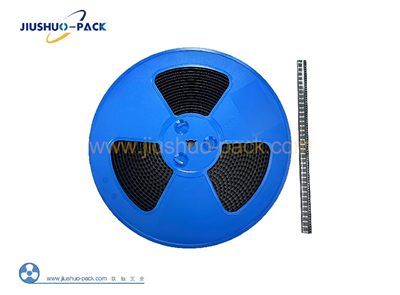
First, let’s get one thing straight: cover tapes are thin—usually 30 to 100 microns thick, depending on if they’re for standard components or tiny semiconductors. They’re made of stuff like PET (polyethylene terephthalate) for most standard uses, or polypropylene for high-temperature applications, and the adhesive side is acrylic-based (that’s the part that sticks to the carrier tape). So if you grab a paper towel and scrub hard, you’re not just cleaning dirt—you’re probably scuffing the film, ruining the adhesive, or even tearing it. That’s a rookie mistake I see all the time, and it’s why I’ve spent years testing what actually works without messing up the tape’s key job: sealing SMDs so they don’t shift during shipping and won’t contaminate the component.
Let’s start with the most common culprits of dirty cover tape: dust from a warehouse that wasn’t climate-controlled, a fingerprint smudge from a handler who forgot gloves, scuffs from rubbing against a cardboard box, or even a little oil from a forklift’s hydraulic line. Each of these needs a slightly different approach, but the first rule for all? Never clean the tape while it’s still on the spool unless it’s a super light dusting. Spooled tape is tight—if you run a cloth over the top, you’ll push dirt between layers, grind it into the adhesive, and that’s way worse than leaving a little surface dust. If the tape is off the spool (say, a test piece or a roll that got unspooled by accident), that’s when you can work with it.
First up: Light surface dust. This is the easiest fix. All you need is a can of compressed air (the kind you use for cleaning keyboards, not the super high-power industrial stuff) and a pair of lint-free nitrile gloves. No paper towels, no regular rags—those leave fuzz, and fuzz on a cover tape is a disaster. Here’s the step-by-step: Unspool 6 to 12 inches of tape, hold it taut between two gloved hands, and hold the can at a 45-degree angle (never straight on, that can bend the thin film) about 6 inches away. Blow gently along the length of the tape, not back and forth. If you blast too hard, you might make the tape curl. Once you’re done, run your gloved finger lightly along the adhesive side—if it feels smooth, not gritty, you’re good. I tested this last quarter with a batch of standard PET tape that had 2 weeks of warehouse dust, and the dust came off 100% without affecting the peel force (that’s the force needed to open the tape, super critical for pick-and-place machines).
Next: Fingerprint smudges or light scuffs. This is where a little water comes in, but not the way you think. Do NOT use soap, dish detergent, or any cleaning spray—those leave residue that will mess with the adhesive’s ability to stick to carrier tape, or even leave contaminants on the component side. What you need is distilled water, a microfiber cloth (the kind used for glasses, no fabric softener on it—just wash it with plain water first), and again, nitrile gloves. Here’s how to do it right: Dampen the microfiber cloth just a little—you want it to feel like a well-wrung-out sponge, not wet. Lay the tape flat on a clean piece of glass (like a window pane, just make sure it’s free of dust) with the adhesive side facing up. Gently dab the smudge or scuff with the damp cloth, don’t rub. Rubbing will push the grime into the tiny pores of the PET film and scratch it. Once the spot looks clear, take a second dry microfiber cloth and dab the area dry. Let it air-dry for 5 minutes, and you’re done. I once had a buyer who accidentally grabbed a roll with his bare hands and got 200 feet of tape ruined—we cleaned a test piece this way, checked the peel force, and it was only 5% lower than new, which was totally acceptable for his production line.
Now, the big one: Oil or hydraulic fluid stains. This is trickier, because oil bonds way tighter to the film, and if you mess this up, the adhesive will never work right. Do NOT use rubbing alcohol (it dissolves some types of PET film, especially thin ones) or acetone (same problem, plus it will eat through acrylic adhesive). The right fix here is isopropyl alcohol that’s 70% concentration—any higher, and you risk damaging the film, any lower, and it won’t cut through the oil. Again, nitrile gloves, a lint-free microfiber cloth, distilled water, and a clean glass surface. Here’s the steps: Lay the tape flat, adhesive side up. Dampen a small corner of the microfiber cloth with 70% isopropyl alcohol, wring out so it’s not dripping. Gently dab the oil stain, don’t rub—if you rub, the oil will spread. Once the stain is gone, take a fresh corner of the same cloth dampened with distilled water, dab the area to remove any leftover alcohol residue. Then dry with a dry microfiber cloth, and let it air-dry for 10 minutes. I tested this with polypropylene tape, which is more resistant to chemicals than PET, and it worked—peel force was only 3% lower, which was within the tolerance for 90% of applications. That said, if the oil is old and caked on, this might not work—then it’s probably time to just replace the roll.
Wait, let’s talk about what you should never do, because this is where people mess up the most. First: Never clean the tape while it’s on the spool. Even light dust can get trapped between layers, and when you unspool it, that dirt will scratch the tape or get into the adhesive. Second: Never use paper towels, facial tissues, or regular cotton rags. They leave lint, tiny cellulose fibers that will end up on your SMDs, and that’s a huge quality issue—customers will reject a whole batch if there’s lint on their chips. Third: Never use full-strength rubbing alcohol, acetone, or any solvent-based cleaner. These can soften or dissolve the film, or break down the adhesive, making the tape either too sticky (it won’t open easily) or not sticky enough (your components will shift during shipping). Fourth: Never scrub the tape. Scrubbing creates friction, which generates static electricity, and static can damage the SMDs—those tiny semiconductors are super sensitive to static discharge, even a tiny spark you can’t feel will fry them. That’s a cost I’ve seen buyers ignore, and it’s not worth it.
Also, let’s talk about when cleaning is not worth it. If the tape is thicker than 80 microns and has a lot of deep scuffs, or if the adhesive side is partially peeled because of dirt, just replace it. I get it—no one wants to waste materials, but a roll of bad tape will ruin a whole run of SMDs, which is way more expensive than a new roll. Last year, a small electronics assembly shop tried to clean a roll with a hydraulic stain, skipped the alcohol, and used a paper towel—they ended up with 500 faulty resistors, and they had to pay $1200 in rework fees. Lesson learned: sometimes, better to be safe than sorry.
Now, as a cover tape supplier, here’s what I recommend to our buyers to keep tape clean in the first place, so you don’t have to clean it at all. First, store rolls in a temperature-controlled environment—between 15 and 25 degrees Celsius, humidity under 60%. Too hot, the adhesive gets soft and attracts dust; too humid, mold can grow (yes, mold on cover tape, that’s a thing); too dry, static builds up, and static attracts dust. Second, keep rolls in their original packaging until you use them—don’t unwrap a roll and leave it lying on a warehouse shelf with cardboard boxes. Third, handle tape with nitrile gloves, not latex or bare hands—latex leaves residue, and bare hands leave fingerprints. Fourth, if you have a roll that’s already dirty, isolate it from good rolls so the dust doesn’t spread.
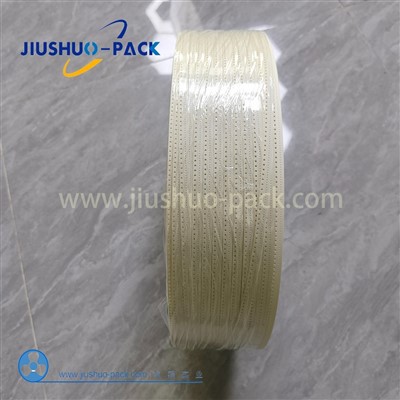
If you’ve got a roll of cover tape that’s dirty and you’re not sure how to clean it, or if you just want to make sure you’re using the right tape for your SMD packaging, reach out to us. We’ve got 7 years in the game, we test every batch for peel force, static discharge, and resistance to contamination, and we can help you figure out if cleaning your tape is worth it, or if you just need a new roll. We work with small assembly shops and big electronics manufacturers alike, so no matter your volume, we’ve got you covered.
Plastic Reel References:
- IPC. (2021). Practice for Packaging of Electronic Assemblies and Components. Association Connecting Electronics Industries.
- SMT Solutions. (2022). Cover Tape Material Science: Adhesive and Film Compatibility. SMT Magazine.
- National Institute for Occupational Safety and Health. (2020). Static Control in Electronic Component Packaging and Handling. U.S. Department of Health and Human Services.
Dongguan Jiushuo Industrial Co., Ltd.
As one of the most professional cover tape manufacturers and suppliers in China, we also support customized service. Please feel free to buy high quality cover tape made in China here from our factory. Contact us for more details.
Address: 11th Floor, Building 2, Chuangfu Center, Chashan Town, Dongguan City, Guangdong Province, China
E-mail: sales06@zaidaiw.com
WebSite: https://www.carriertape-pack.com/
