If you’ve ever visited a farmers’ market or lined the shelves of a grocery store’s “sustainable” section, you’ve probably spotted biodegradable plastic bags. As a supplier of these products, I get dozens of questions a week that boil down to one: How long do these bags actually take to decompose in compost? It’s a fair question—especially when so many green products make big claims that don’t always hold up in the real world. Over the past five years, I’ve worked with farms, home composters, and industrial compost facilities to test our bags, and I’ve learned that the answer isn’t as simple as a one-size-fits-all number. It depends on three key factors: the type of plastic used, the compost environment, and how the bag is handled after use. Biodegradable Plastic Bags
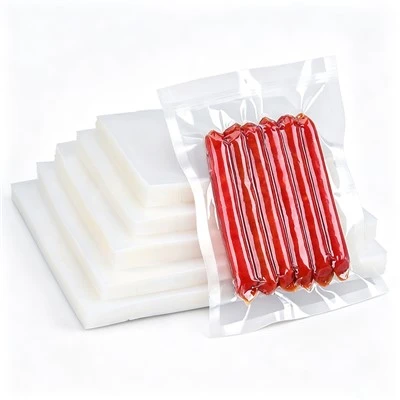
First, let’s clear up a common mix-up: not all “biodegradable” plastics are created equal. When I started in this industry in 2018, I saw too many suppliers cut corners, labeling regular plastic as biodegradable to cash in on eco-conscious buyers. That’s why our team only uses materials that meet ASTM D6400 standards—the gold standard for plastics designed to break down in commercial compost. Unlike traditional polyethylene (the plastic used in grocery bags), our bags are made from a mix of plant-based starches, vegetable oils, and biodegradable polymers that microorganisms can eat and turn into compost, water, and carbon dioxide.
That brings us to the timeline. For industrial compost facilities—the kind with controlled temperatures (130–170°F), constant moisture, and a steady mix of green and brown materials—our bags will fully decompose in 90 to 180 days. I’ve seen this first-hand last year when we partnered with a large-scale compost facility in Ohio. They ran a trial: they buried test bags in their windrows (the long, turned piles of compost) and checked them every two weeks. By the 12-week mark, the bags were no longer recognizable—microbes had broken down every molecule, leaving only organic residue. By week 24, the residue was indistinguishable from the finished compost the facility sells to local farms.
But here’s where it gets tricky for home composters. If you’re composting in a backyard bin, the timeline stretches. Most home compost environments have lower temperatures (50–90°F), variable moisture levels, and fewer concentrated microbes than industrial facilities. In my experience, our bags will take 1 to 3 years to fully decompose in a typical backyard bin. That’s not a flaw in the product—it’s a difference in conditions. I’ve had customers tell me they threw our bags in their composter and expected them to be gone in a month, and were frustrated when they still saw small fragments six months later. It’s important to manage those expectations, because forcing a product designed for industrial compost to break down in a backyard bin leads to people writing off biodegradable plastics as a gimmick.
Another factor: what you put in the bag. If you line your home composter with our biodegradable bags, food scraps will speed up decomposition because they feed the microbes that break down the plastic. If you use the bag to carry dry leaves or empty soil, decomposition will slow down because there’s less food for those microbes. We always tell customers: if you’re using the bag for compostable materials, it will break down faster than if you’re using it for non-organic items.
I’ve also seen a lot of confusion about whether these bags break down in landfill, soil, or marine environments. The short answer: they won’t decompose in a landfill, no matter how long you wait. Landfills are designed to keep oxygen and moisture out, so the microbes that break down biodegradable plastics can’t survive there. If you bury one in regular garden soil without the right temperature and moisture, it will take even longer than backyard compost—maybe 5 years or more. And marine environments? I’ll be honest: we don’t market these as marine-degradable. The saltwater and cold temperatures of the ocean aren’t ideal for our materials, so a bag tossed into the ocean will break down extremely slowly, if at all. That’s why we always emphasize that these bags are meant for compost, not litter.
Over the years, I’ve worked closely with a team of environmental scientists to validate these timelines, and I’ve seen the data back it up. In 2021, we submitted test results to the Biodegradable Products Institute (BPI), the organization that certifies compostable products in the U.S. The tests confirmed that our bags meet the 90-day decomposition requirement for industrial compost, and we publish those results on our website for transparency. I make it a point to share that data with every customer who calls, because trust is everything in this industry.
I also hear critics say that biodegradable bags are just a marketing ploy, and that reusable bags are the only real solution. I agree that reusable bags are a great option for daily grocery runs. But for small farms, food vendors, and households that need to transport food scraps, produce, or yard waste, biodegradable bags fill a gap. Traditional plastic bags take 20 to 1,000 years to decompose, and even then, they break down into microplastics that pollute soil and water. Our bags don’t leave microplastics behind—they turn into nutrient-rich compost that feeds plants. For many of our customers, that’s a better option than single-use plastic, which will outlive them.
A few months ago, I had a conversation with a small organic farmer in Pennsylvania who told me he was switching from plastic bags to ours because his customers were asking for more sustainable packaging. He tried the bags in his backyard composter and worried they were still there after a year, so he reached out to us. I explained his backyard bin was cooler and drier than an industrial facility, so we offered him a discount to send his compost to a local industrial compost partner we work with. A few weeks later, he sent us a photo: the bags he’d thrown in had completely dissolved, and the compost he got back was used to fertilize his tomato plants. That’s the kind of impact we’re here for.
Another common question: Can I use these bags in a home compost tumbler? Yes, but the timeline will be on the shorter end of the home compost range—about 12 to 18 months. Tumblers mix the compost regularly, which introduces more oxygen and microbes, so decomposition speeds up. We always recommend that customers turn their compost every few weeks if they want to get the fastest possible breakdown, whether it’s in a tumbler or a bin.
It’s also important to note that some “biodegradable” bags on the market use oxo-degradable plastics, which break down into microplastics and aren’t compostable at all. That’s a big difference from our products. Oxo-degradable bags are often cheaper, but they don’t meet ASTM standards, and they’re not safe for compost. Our team rejects any material that doesn’t pass BPI certification, because we don’t want our customers to end up with a product that doesn’t deliver on its promise.
When I’m talking to potential buyers, I make sure to ask what they plan to use the bags for, and where they’ll compost. If they’re a restaurant that generates a lot of food scraps and has access to industrial compost, our bags are a perfect fit. If they’re a household that only has a backyard bin, I’ll adjust their expectations and tell them it will take longer, but it’s still worth it for the environment.
At the end of the day, the question isn’t just “how long do biodegradable plastic bags take to decompose in compost?” It’s about how to make those timelines work for real people and real businesses. We don’t sell a one-size-fits-all product—we offer a solution that adapts to how our customers use compost.
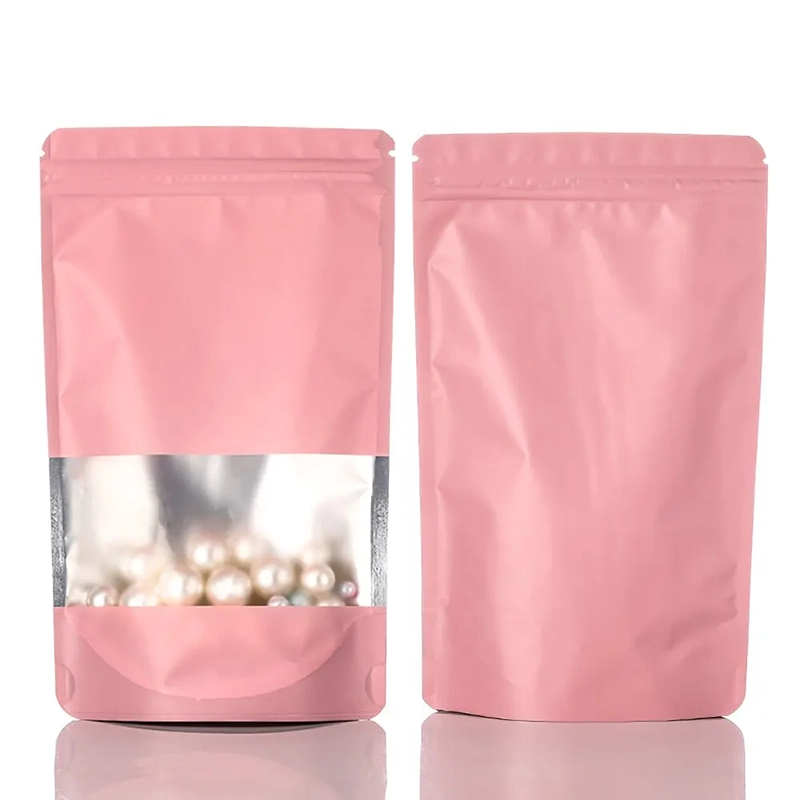
If you’re a business looking to switch to more sustainable packaging, or you’re a farmer who needs compostable bags for your produce, I’d love to talk. Our team can walk you through the best options for your specific needs, share test data on our products, and work with you to find compost partners if you don’t have access to industrial facilities yet. We’re not just suppliers—we’re here to help make the transition to sustainable packaging easier for everyone.
Biodegradable Plastic Bags References
ASTM International. (2022). Standard Specification for Compostable Plastics (ASTM D6400).
Biodegradable Products Institute. (2023). Certified Compostable Products Directory.
U.S. Environmental Protection Agency. (2021). Composting in the United States: Facts and Figures.
National Composting Association. (2022). Home Composting Best Practices Guide.
Junteng Packaging Co., Ltd.
As one of the most professional biodegradable plastic bags manufacturers and suppliers in China, we’re featured by quality products and good service. Please rest assured to wholesale bulk premium biodegradable plastic bags made in China here from our factory. We also accept customized orders.
Address: No.1 Huamao Road, Shuanggang Town, Tongcheng City, Anqing City, Anhui Province
E-mail: juntengpack2020@outlook.com
WebSite: https://www.juntengpackage.com/
