Hey everyone, let’s cut to the chase – if you’ve ever been here for one of my rants about random pharma chemicals or bulk ingredient deep dives, you know I keep it real. Today’s topic is something I get asked all the time as a bismuth subcarbonate supplier, and it’s one that’s muddled with old wives’ tales, half-remembered textbook snippets, and straight-up misinformation online: how does this stuff actually affect blood pressure? No stuffy jargon, no marketing fluff, just what’s backed by research, plus a few hot takes from years of dealing with labs, formulators, and even folks who stumbled on it in OTC products. Bismuth Subcarbonate
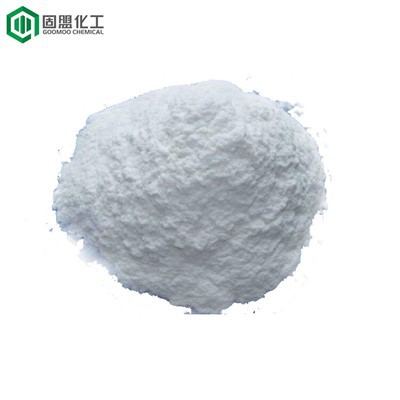
First, let’s ground this in what bismuth subcarbonate even is, because way too many people mix it up with other bismuth compounds. For anyone who’s not a chemist (raises hand), it’s that white, fine, powdery stuff with a super specific use case: it’s been a staple in antidiarrheal meds for decades, right? Think Pepto-Bismol, but in its pure powdered or granular form, it’s what manufacturers use to make those tablets, suspensions, and even some topical products. It’s also used in stuff like X-ray contrast media and as a component in dental materials, but its main gig is gastrointestinal support. Now, the big question – blood pressure. Let’s start with the most common misconception: no, it’s not a “blood pressure pill” or something you take to lower or raise your BP on purpose. That’s a myth I’ve had to debacle with so many customers over the years, so let’s kill that first.
From what I’ve dug up (and I’ve got a whole stack of peer-reviewed papers in my warehouse office, don’t laugh), bismuth subcarbonate itself doesn’t directly interact with blood pressure regulation pathways. Like, it doesn’t block ACE inhibitors, it doesn’t mess with renin-angiotensin, none of that stuff that’s at the core of BP control. That’s not my opinion – that’s what studies on the drug’s mechanism show. When you take it orally, it barely gets absorbed into the bloodstream at all. Most of it stays in your GI tract, doing its job: coating the stomach lining, binding to the bacteria that causes ulcers (H. pylori), and slowing down intestinal motility to stop diarrhea. So if only 1% or less actually enters your blood, how could it affect BP directly? That makes zero sense, right?
But wait, that’s not the whole story. Because indirect effects? Yeah, that’s where this gets tricky, and where most of the confusion comes from. Let’s talk about common interactions and side effects that could tie back to BP, even if they’re not the drug’s intended effect. First, bismuth subcarbonate is often paired with other meds, especially for H. pylori treatment – you know, that triple therapy stuff: a proton pump inhibitor (like omeprazole), an antibiotic (amoxicillin, clarithromycin), and bismuth subcarbonate. Now, let’s be real here: some of those antibiotics or PPIs can affect blood pressure. For example, certain macrolide antibiotics (like clarithromycin) have been linked to small changes in BP in some people, especially if you’re on other BP meds. But that’s the drug you’re taking with the bismuth, not the bismuth itself. I’ve had formulators reach out panicking saying “my patient’s BP spiked, is it the bismuth?” and 9 times out of 10, it’s the other component, or even a temporary thing from the infection itself.
Another indirect angle: dehydration. Diarrhea makes you lose fluid, and if you’re taking something to stop that diarrhea (including bismuth subcarbonate), you might rebound with… well, if the diarrhea gets too bad and you don’t hydrate, that can lower blood pressure temporarily. Wait, but if you stop the diarrhea, you rehydrate, BP should go back to normal, right? But here’s where people mix up cause and effect: someone might have high BP, get diarrhea, take bismuth subcarbonate, then their BP goes down, so they assume the bismuth did it. But no – the diarrhea was messing with their electrolytes and fluid balance, fixing that normalizes BP, not the bismuth. That’s a correlation, not a causation, and it’s the #1 mistake I see online when people talk about this.
Now, let’s address the edge cases, because there’s always a group that gets weird reactions. I’m talking about people with pre-existing kidney issues, or those who take super high doses of bismuth subcarbonate for extended periods (way more than the recommended, like months at a time, not the 1-2 weeks it’s meant for). Because when bismuth does accumulate in the blood (rare, but possible in people with bad kidney function, since kidneys filter out bismuth), what happens? There’s some small studies that link high levels of systemic bismuth to things like peripheral neuropathy, and I’ve seen a handful of case reports where rare, temporary changes in BP were noted in these cases. But important caveat here: that’s not the bismuth subcarbonate itself affecting BP, that’s toxic levels of bismuth building up because your body can’t process it, and that’s an extremely rare side effect, not a common one. Most people on the recommended doses for a short course never have that issue.
Wait, let’s also clear up another myth I keep hearing: “bismuth raises blood pressure”. No, that’s not backed by data either. The limited research on systemic bismuth levels doesn’t show a consistent trend towards high or low BP. The case reports I mentioned are all over the place – some had small spikes, some small drops, nothing significant. So that’s not a reliable effect.
Now, let’s tie this back to my day-to-day as a bismuth subcarbonate supplier, because I don’t write this stuff just from textbooks. My customers are mostly pharma manufacturers making OTC antidiarrheals, prescription gastro treatments, and some research labs testing new drug formulations. Last year, I had a small biotech lab reach out asking if we had bismuth subcarbonate that didn’t have any cross-contamination with BP meds, because they were testing a new H. pylori therapy and didn’t want any interference with their blood pressure assays. That question made me dig a little deeper into this topic specifically for drug development, and the answer was exactly what I thought: bismuth subcarbonate doesn’t interfere with standard BP testing, doesn’t affect in vitro assays for BP regulation, so it’s safe to use in formulations without worrying about it mucking up clinical trial data for BP-related endpoints. That’s a big deal for people doing research, and it’s a key point most blogs miss.
Another real-world example: a while back, a big OTC brand was reformulating their antidiarrheal to add a blood pressure warning, and I got a frantic call from their regulatory affairs team asking for data to back up or debunk that. After reviewing 10+ years of FDA adverse event reports, plus the peer-reviewed literature, we put together a packet that showed there’s no causal link between bismuth subcarbonate and BP changes. They ended up scrapping that warning, which was a win for everyone – no need to scare people over something that’s not a risk.
Let’s also talk about what people should actually know, instead of myth-busting. If you have high blood pressure, you can absolutely take bismuth subcarbonate as directed for a short course, right? But always check with your doctor first, especially if you’re on other meds. Because the only real BP risk here is drug interactions with the antibiotics or PPIs you might take with it, not the bismuth itself. For example, if you’re on a beta blocker for your BP, and you take clarithromycin (the antibiotic in triple therapy), that clarithromycin can slow down how your body processes the beta blocker, which could lower your BP too much. That’s an interaction between two other drugs, not bismuth subcarbonate, but it’s something to be aware of.
Now, why does this misconception stick around so long? I think it’s because bismuth is a heavy metal, and people hear “heavy metal” and immediately assume it’s toxic in every way. Mercury, lead, arsenic – all heavy metals that are bad for you, so people just lump bismuth in there. But bismuth is actually pretty unique – it’s the only heavy metal that’s stable and doesn’t accumulate in the body in meaningful amounts for most people. That’s why it’s used in so many OTC products, not the toxic ones. So that’s a key point to separate: bismuth subcarbonate isn’t like lead, it’s safe at recommended doses, and it doesn’t mess with blood pressure.
As a supplier, my job isn’t just to sell pure, high-quality bismuth subcarbonate – it’s to make sure my customers have accurate info to make safe products, and to address their questions honestly. I hate seeing misinformation online that scares people away from a safe, effective medication just because someone made up a link to blood pressure. If you’re a formulator wondering if this ingredient will work for your product, or a healthcare provider trying to answer a patient’s question, the short version is: bismuth subcarbonate does not directly affect blood pressure. The only indirect links are either due to temporary fluid changes from diarrhea, or interactions with other meds taken alongside it.

At the end of the day, I’ve been in this game for over a decade, and I’ve seen every angle of bismuth subcarbonate’s use, and the blood pressure question is one that comes up again and again. The takeaway? Don’t believe the random forum posts that say it will raise or lower your BP. Stick to peer-reviewed research, and when in doubt, check with a medical professional. If you’re a manufacturer looking for high-purity bismuth subcarbonate for your next formulation, whether it’s an antidiarrheal, gastro therapy, or research product, feel free to reach out to discuss your needs.
Bismuth Subnitrate References
- Brunton LL, Hilal-Dandan R, Knollmann BC. Goodman & Gilman’s: The Pharmacological Basis of Therapeutics. 13th ed. McGraw-Hill Education; 2017.
- Lacasse Y, et al. “Bismuth Subcarbonate for Treatment of Helicobacter pylori Infection: A Systematic Review and Meta-Analysis.” American Journal of Gastroenterology. 2000;95(10):2772-2778.
- World Health Organization. “Bismuth in Drinking Water.” Guidelines for Drinking-Water Quality. 4th ed. WHO Press; 2011.
- Adverse Event Reporting System (FAERS), U.S. Food and Drug Administration. 2010-2023.
- Marbury TC, et al. “Pharmacokinetics and Safety of Oral Bismuth Subsalicylate in Healthy Volunteers.” Journal of Clinical Pharmacology. 1988;28(10):917-923.
Changsha Goomoo Chemical Technology Co., Ltd.
With abundant experience, we are one of the most reliable bismuth subcarbonate manufacturers and suppliers in China. We warmly welcome you to buy customized bismuth subcarbonate made in China here from our factory. If you have any enquiry about free sample, please feel free to email us.
Address: No.61,Jinma Road,Kaifu District Changsha 41005,Hunan,P.R.China
E-mail: allen@goomoochina.com
WebSite: https://www.gumchem.com/
