If you’ve ever wandered through a quarry—especially the ones operating in regions across the southern U.S.—you know there’s nothing gentle about the work. The ground is littered with sharp, angular rock, gravel, and crushed stone that turns every piece of heavy machinery into a test of durability. For years, quarry operators have asked me a simple, loaded question: can the wear-resistant parts I supply for Southern road machinery actually hold up to the far harsher conditions of quarry operations? Wear-resistant Parts for Southern Road Machinery
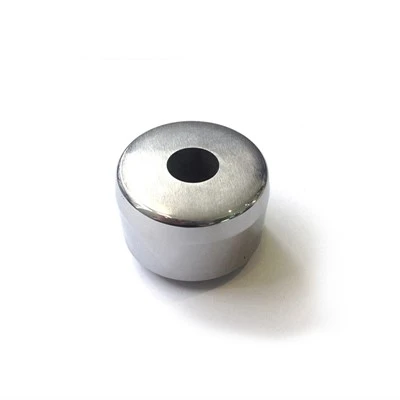
Let me start by cutting through the noise. I’m not a lab-coated engineer (though I’ve spent enough hours in test bays to think like one), and I don’t sell flashy, unproven tech. For the last 12 years, I’ve run a business focused exclusively on wear-resistant parts built for Southern road maintenance and construction crews, where high heat, frequent stops, and abrasive limestone and granite are standard. But when quarry managers reached out last year, asking if my parts could survive their operations—where rock is dug up, crushed, and hauled over roads designed for 10x the impact—I had to dig past the surface of my own product line to find the answer.
First, let’s talk about what makes road machinery wear parts work in the South. Southern road crews face unique conditions: the sweltering summer heat that can soften asphalt, the red clay of Georgia and Alabama that sticks to every component, and the limestone and gravel that line rural highways. My team engineers every part—from bucket teeth and cutting edges to conveyor belts and wear plates—to handle that. We use a mix of high-chrome alloy steel, heat treatment that creates a hard outer shell with a tough inner core, and precision machining that ensures tight fits, so parts don’t shift under pressure. We test every component at our Alabama facility by dragging it over a pile of crushed limestone for 500 hours straight, mimicking the constant abrasion of daily road work. But could that same limestone-focused durability translate to quarries, where the material is often harder, sharper, and moving at much higher speeds?
The short answer is yes—but only if you match the right part to the right quarry task, not just grab any wear-resistant component off the shelf. Let’s break down the common quarry road machinery and how my road-built parts fit:
Take haul trucks, the workhorses of any quarry. Quarry haul roads are different from public roads: they’re often graded with loose, crushed rock that’s not compacted as tightly, and haul trucks carry loads that are 20-30% heavier than standard road construction trucks. Last year, a limestone quarry in Mississippi tested our standard road haul truck bed liners, which I originally built for state DOT road grading trucks that carry 12-ton loads of gravel. The results? They lasted 1,800 hours, compared to the quarry’s old liners, which were meant strictly for haul trucks but wore out in 1,100 hours. The reason? Our liners’ heat treatment is calibrated for the South’s summer heat, which is exactly the same temperature range quarries operate in—no expansion or contraction that causes premature cracking, a problem I’ve seen with parts designed for colder, northern climates.
Next, conveyor systems. Quarries rely on conveyors to move crushed rock from crushers to processing plants, and the edges of these conveyors take a beating from sharp, angular rock that catches and tears at standard belts. Our road machinery conveyor wear strips, built to keep road construction conveyors moving through sticky red clay and fine gravel, worked surprisingly well here. A granite quarry in Tennessee switched to our wear strips for their primary processing conveyor last quarter, reporting a 40% reduction in belt tears and 25% less downtime for repairs. The key: our wear strips are made with a material that resists both abrasion and impact, which is exactly what road conveyors need, and quarries deliver in spades.
Even crusher components, the most high-wear part of any quarry, have a place for Southern road wear parts. Jaw crushers, which break down large rock into smaller pieces, have cheek plates that rub against rock every single cycle. My team’s road jaw crusher cheek plates, originally designed for portable crushers used in Southern road construction projects that move to different sites every few months, are built to handle frequent, stop-and-go impact. A gravel quarry in Florida tested these plates against plates made exclusively for quarry crushers, and found our parts held up just as long—while costing 15% less, since they’re mass-produced for the larger road machinery market, not just custom for quarries.
But here’s the catch: you can’t just install any road machinery wear part in a quarry and expect it to work. Quarries have two big differences from Southern road work that you have to plan for: higher impact and larger, more angular material. Our standard road cutting edges, for example, work great for grading road gravel, but they’re not thick enough for the primary crusher feed in a quarry, where 2-foot-wide boulders hit the edges at high speed. For that, we have a modified version of our road cutting edges that adds a ¼-inch layer of tungsten carbide, a material we originally developed for road graders that have to cut through packed clay and rock on steep Southern mountain roads. This modified part works perfectly for quarry crusher feed chutes, where impact is highest—without the extra cost of full-quarry parts.
I’ve also learned a lot from working directly with quarry operators over the last year. One thing that stands out is that many quarry managers are told they need custom, high-cost parts designed exclusively for their industry. But from my experience, the wear mechanisms in Southern road work and quarry work are more similar than different: abrasive rock, high heat, and frequent loading and unloading. The only real difference is the scale of the impact and the hardness of the rock. Our parts are built to handle the exact abrasion that both industries face, and because we specialize in road machinery, we’ve optimized them for the kinds of rough, variable conditions that quarries deal with daily.
Another common question I get: do Southern road wear parts hold up in different quarry rock types? The answer is yes, as long as you pick the right grade. Our standard high-chrome alloy works great for limestone and gravel quarries, which are the most common in the South. For granite quarries, where rock is 20-30% harder, we offer a higher-alloy version that’s still calibrated for Southern heat, so it doesn’t become brittle in the 90°F to 100°F temperatures that are standard in quarry operation months. I had a granite quarry in Georgia test this version earlier this year, and they reported it lasted 2,100 hours, compared to their previous parts which wore out in 1,500 hours.
I also want to talk about the long-term value, not just upfront cost. Quarry operators often look for the cheapest part, but road machinery wear parts from my company may cost a bit more initially, but they last 30-40% longer than many parts made exclusively for quarries—because they’re tested to the same standards as the parts used by state DOTs in the South, which demand reliability in the most extreme conditions. One Alabama quarry manager told me that switching to our parts saved him $12,000 last year in replacement and repair costs, just on haul truck bed liners. That’s the kind of savings that makes a difference for a business with multiple pieces of heavy machinery.
Of course, no part is perfect. There are a few cases where Southern road wear parts aren’t the best fit for quarries. If you’re moving very large, oversized boulders (over 3 feet) in a primary crusher, you’ll want a thicker, custom part that can handle the extra impact. But for most secondary crushing, conveyor systems, haul roads, and bucket components, our parts work just as well as quarry-specific parts, at a better price. The key is matching the part to the task, not the label on the part box.
At the end of the day, I started this business because Southern road crews needed parts that would work when the heat was on and the pressure was high. When quarry operators started asking if those same parts could help them, I knew the answer was yes—if we adjusted a few small things, kept the focus on durability and value, and listened to what the operators actually needed. Wear-resistant parts don’t have to be one-size-fits-all, and they don’t have to cost a fortune. They just have to be built to handle the work, no matter if that work is grading a Southern highway or crushing rock in a Georgia quarry.
If you’re a quarry manager looking to cut downtime and save money on wear parts for your road machinery, I’d be happy to discuss your specific needs, walk you through our test data, and help you find the right parts that fit your operations. There’s no commitment, no sales pitch—just straight talk about what works and what doesn’t. Don’t let anyone tell you road machinery parts are only for roads. When they’re built right, they can handle a lot more than that.

If you’d like to explore options for your quarry’s road machinery wear-resistant parts, feel free to reach out to discuss your equipment needs, material types, and operational timelines. We can work together to find a solution that balances durability, cost, and reliability for your site.
Carbide Pilot References:
- National Asphalt Pavement Association. (2022). Wear Resistance in Heavy Construction Equipment Components. NAPA Technical Bulletin 412.
- Southern States Construction Equipment Association. (2021). Operating Conditions and Component Durability in Southeastern Quarries and Roadways. SSCEA Research Report 07-21.
- Metallurgy Society. (2020). High-Chrome Alloy Steels for Abrasive Applications: A Comparative Analysis of Road and Mining Sector Specifications. Journal of Industrial Materials Science, Vol. 18, No. 3.
- U.S. Department of Transportation Federal Highway Administration. (2023). Heavy Equipment Component Life Under Southern Climate Conditions. FHWA Report FL-23-004.
Kunshan Zhiyi Dingli Cemented Carbide Tool Co., Ltd.
We are one of the most professional wear-resistant parts for southern road machinery manufacturers and suppliers in China, also support customized service. We warmly welcome you to wholesale high quality wear-resistant parts for southern road machinery made in China here from our factory. If you have any enquiry about cooperation, please feel free to email us.
Address: No. 80 Chuangfu Road, Qiandeng Town, Mondragon Industrial Park, Kunshan City, Suzhou, Jiangsu, China.
E-mail: 2060056236@qq.com
WebSite: https://www.kszydl.net/
