If you’ve ever spent hours loading, storing, or moving bulk goods only to find your standard corrugated boxes crushed, skids sliding, or loads shifting mid-transit, you know how critical plastic pallet sleeve boxes are for protecting inventory and streamlining your supply chain. As someone who’s spent the last eight years supplying plastic pallet sleeve boxes to manufacturers, distributors, and e-commerce teams across North America, I’ve seen firsthand that even the sturdiest, most durable plastic sleeve boxes are only as good as how you transport them. Poor transportation practices turn a long-lasting, cost-effective storage solution into damaged goods, wasted time, and unnecessary expenses. Over the years, I’ve worked with clients who’ve learned this the hard way—from a regional grocery distributor that lost $12,000 worth of snack products because their plastic sleeves weren’t secured for LTL shipping, to a 3PL provider that scrapped 20% of their inventory after improperly stacking boxes on flatbed trucks. That’s why I wanted to break down exactly how to transport plastic pallet sleeve boxes correctly, based on hands-on experience, industry standards, and testing we’ve done in our own warehouse for over a decade. Plastic Pallet Sleeve Box

First, let’s start with pre-transport preparation—this is the step that separates a successful shipment from a disaster, and it’s where most people cut corners without even realizing it. Plastic pallet sleeve boxes come in different styles, sizes, and load capacities, so the first rule is to match your box to your load and your transportation method. For example, if you’re moving 50-pound pallets of non-fragile retail apparel, a standard 48×40 inch plastic sleeve box with a 2,000-pound load capacity works perfectly. But if you’re transporting delicate electronics parts that weigh 15 pounds per pallet, you’ll need a heavier-gauge, rib-reinforced sleeve to prevent flexing during transit. The biggest mistake I see here is clients assuming all plastic sleeve boxes are the same—we had a startup e-commerce brand come to us last year, insisting their existing plastic boxes were fine for cross-country LTL shipping, only to find their boxes were designed for in-store restocking, not being stacked on top of each other in a trailer.
Once you’ve selected the right box, the next key pre-transport step is securing your load to the pallet inside the sleeve. Plastic sleeve boxes are designed to stay open and contain the goods on the pallet, but they don’t replace proper pallet locking. Every plastic sleeve box has four corner posts that fit snugly over pallet corners, but during transport, these posts can shift if the load isn’t secured. For LTL or full-truckload (FTL) shipping, we recommend using four corner brackets that clip onto the sleeve’s corner posts and fasten to the pallet’s stringers. For smaller, local shipments, heavy-duty stretch wrap with a 100-gauge thickness works, but make sure you wrap from the bottom of the load up to the top of the sleeve—never just around the middle, as that can cause the load to bow. One trick we share with all our clients: if you can fit more than two fingers between the stretch wrap and the load, it’s not tight enough.
Another often-overlooked pre-transport task is cleaning the interior of the plastic sleeve box. I know this sounds trivial, but leftover dust, moisture, or even small debris from a previous load can scratch products, get into electronics, or cause moisture damage if you’re shipping in humid conditions. We recommend wiping the inside of the sleeve with a mild, non-abrasive soap solution before every use, especially if you’re moving food-grade products, pharmaceuticals, or items that require a sterile environment. Last quarter, a food processing client of ours saved $8,000 in product rejects by starting this simple step—their previous practice was just blowing out the sleeve with compressed air, which leaves fine dust that got into their packaged baked goods during transit.
Now, let’s talk about how to load the plastic pallet sleeve boxes onto different types of transport, because loading a plastic sleeve box onto a standard dry van trailer is very different from loading it onto a flatbed, a rail car, or even a delivery van for residential routes.
Starting with dry van trailers, which are the most common for LTL and FTL shipments. The first rule here is to never exceed the trailer’s weight limit, and also never exceed the stacking limit of your plastic sleeve boxes. Most heavy-duty plastic sleeve boxes can be stacked up to four units high, but only if the bottom box is rated for the total combined weight. For example, if you have four boxes each rated for 2,000 pounds, the total stacked weight is 8,000 pounds—so the bottom box must have a minimum load capacity of 8,000 pounds, not 2,000. I’ve seen clients stack four boxes with individual 2,000-pound ratings on a single bottom box, resulting in three boxes collapsing mid-transit and spilling inventory all over the highway. That’s not just bad for your goods—it’s a safety hazard for other drivers.
When loading into a dry van, arrange your plastic sleeve boxes in a straight, interlocking pattern to eliminate gaps. Gaps between boxes mean they can shift during braking or acceleration, which puts pressure on the corners of the sleeves and can cause them to crack. For example, if you have a 53-foot trailer, you can fit 10 48×40-inch pallets in a single row, so arrange them side by side with no space between them. If you have an odd number of pallets that leave a small gap, don’t just stuff a smaller pallet or loose boxes there—use a foam block or a specialized load bar to fill the gap and lock the existing pallets in place. Also, always place the heaviest plastic sleeve boxes at the bottom of the trailer, closest to the axles, to distribute the weight evenly and prevent trailer sway. The lightest boxes go on top, never at the back of the trailer where sudden braking can cause them to fly forward.
If you’re transporting plastic sleeve boxes on a flatbed trailer, the rules change a bit because there’s no sides to keep the boxes in place. First, make sure your plastic sleeve boxes are equipped with D-rings or tie-down points on the corner posts—standard sleeves don’t always have these, so if you’re planning on flatbed shipping, let your supplier know upfront. When loading, place the plastic sleeve boxes in a stable, centered position on the flatbed, using wooden dunnage between the pallets and the flatbed to prevent sliding. Then, use either ratchet straps or steel banding to secure the boxes. For ratchet straps, we recommend using two straps per pallet, one on each side, tightened to 100 pounds of tension—too tight and you’ll bend the plastic corners, too loose and the boxes will move. Steel banding is even more secure for long-distance flatbed shipments, especially in windy conditions, but you’ll need banding cutters to remove it at the destination. Also, never stack more than three plastic sleeve boxes high on a flatbed, as they’re more exposed to wind and the risk of tipping is much higher than in an enclosed trailer.
Another transport method that’s growing in popularity is intermodal rail shipping, which is cheaper for cross-country bulk shipments but comes with unique challenges. Rail cars can have rough tracks and sudden stops, so your plastic sleeve boxes need extra reinforcement here. First, make sure you use pallets that are compatible with rail standards—they’re usually 48×40 inches with stringers that fit into rail container locks. When loading into a rail container, follow the same no-gap rule as dry vans, and add additional edge protectors to the corners of the plastic sleeve boxes to absorb the vibration from the tracks. We’ve had a client that ships 500 plastic sleeve boxes via rail every month, and they switched to edge protectors two years ago—they now have a 1% damage rate compared to 18% before, which saved them over $50,000 in a single year. Also, if your shipment will be transferred between rail and truck at intermodal yards, make sure the plastic sleeve boxes are labeled clearly with both the origin and destination address, as well as a “this side up” mark—workers in busy yards can misorient boxes easily, leading to crushing when stacked incorrectly.
Local delivery van transport, for e-commerce and small business shipments, is another area where mistakes happen. Delivery vans have limited space and often make frequent stops, so plastic sleeve boxes can shift if not secured. For local LTL deliveries, we recommend using non-slip matting on the van’s floor first—this prevents the bottom box from sliding. Then, use bungee cords or heavy-duty cargo nets to secure the rows of boxes, making sure the net is tight enough that you can’t pull more than an inch of slack. Also, don’t overpack the delivery van—leave at least six inches of space between the top of the load and the ceiling of the van, so you don’t crush the boxes when closing the doors. One of our smallest clients, a local grocery delivery service, used to pack their vans as tight as possible, resulting in 10 damaged boxes a week until they implemented this simple rule—now they have almost zero damage.
Now, let’s talk about common mistakes that even experienced shippers make, and how to avoid them. The first is overstacking plastic sleeve boxes. A lot of people think “more is better” when stacking, but plastic sleeves have a maximum stacking height that’s calculated based on their material thickness and design. For example, a heavy-gauge HDPE plastic sleeve (10mm thick) can safely stack up to four units high, while a lightweight 5mm sleeve is only rated for two units high. Always check the load capacity label on your plastic sleeve box—this label is there for a reason, and ignoring it will lead to damage, returns, and lost revenue.
Another common mistake is not accounting for temperature and humidity during transport. Plastic is sensitive to extreme temperatures—if you’re shipping in temperatures below 32°F (0°C), the plastic becomes brittle and more likely to crack when stacked or bumped. In temperatures above 120°F (49°C), the plastic softens, which can cause the load to bow or the sleeve to deform. If you’re shipping in extreme temperatures, we recommend using insulated plastic sleeve boxes, or at least adding a layer of foam insulation inside the sleeve to protect the load and maintain the sleeve’s structural integrity. Humidity is also a problem—excess moisture can weaken the plastic over time, especially if the boxes are stored or transported in open-air conditions. We always advise clients to add desiccant packs inside the plastic sleeve boxes if they’re transporting moisture-sensitive goods, and to avoid leaving boxes in a rainy or humid environment for more than 24 hours.
Lastly, I want to emphasize proper handling at the destination, because transporting a plastic sleeve box isn’t just about the trip from point A to point B—it’s about making sure it arrives in usable condition. When unloading, use a forklift with the correct fork spacing—forks that are too narrow can puncture the plastic sleeve or damage the pallet, while forks that are too wide can cause the load to tip. Never drag a plastic sleeve box across the floor, even if it’s on a pallet—this can scratch the corners and wear down the plastic over time. If you’re storing the boxes after delivery, stack them in a cool, dry area, and never place heavy objects on top of empty boxes.
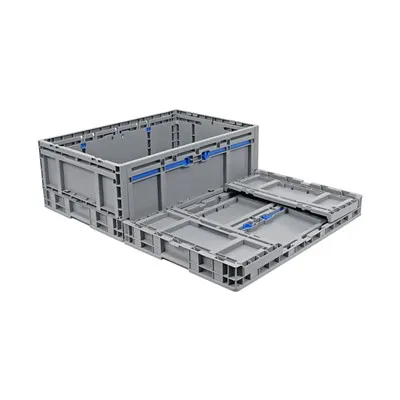
At the end of the day, transporting plastic pallet sleeve boxes correctly isn’t rocket science—it’s about matching the right box to your load and transport method, taking the time to secure the load properly, and avoiding common shortcuts that lead to damage and expense. As a supplier, our goal isn’t just to sell you a high-quality plastic sleeve box—it’s to make sure it works for you throughout the entire supply chain, from our warehouse to your customers’ doors. If you’re not sure what type of plastic sleeve box is right for your transport needs, or you have questions about securing loads for a specific shipping method, our team has years of experience helping clients of all sizes streamline their transport processes and reduce damage. We’ve worked with everyone from small e-commerce brands to large national distributors, and we’re happy to provide tailored advice for your specific needs. Whether you’re shipping a one-time small order or planning a bulk annual shipment, we’re here to help you get your plastic pallet sleeve boxes where they need to go, safely and cost-effectively.
Folding Crate References
- Plastics Industry Association. (2022). Best Practices for Transporting Plastic Reusable Packaging. Washington, DC: Plastics Industry Association.
- Material Handling Industry. (2021). Guidelines for Stacking and Securing Palletized Loads. Charlotte, NC: Material Handling Industry.
- National Motor Freight Traffic Association. (2023). Less-Than-Truckload (LTL) Shipping Standards for Bulk Packaging. Alexandria, VA: National Motor Freight Traffic Association.
- American Society for Testing and Materials. (2020). Standard Practice for Loading and Unloading Plastic Packaging for Transit. West Conshohocken, PA: ASTM International.
Shanghai Qusheng Plastics Co., Ltd.
Address: No.85 Hengtang Road, Huaqiao Town, Kunshan City, Jiangsu Province
E-mail: Totepallet-inquiry@plastic-crate.com
WebSite: https://www.totepallet.com/
