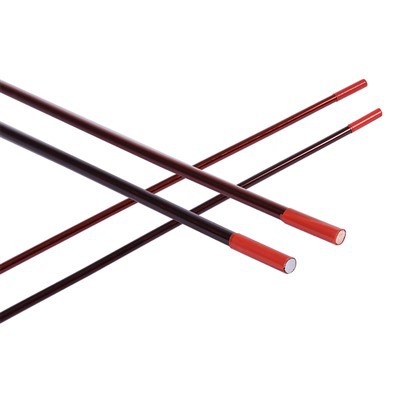
In the dynamic landscape of cable technology, flat twisted cables have emerged as a popular choice for a wide range of applications. As a supplier of flat twisted cables, I often encounter inquiries about their performance under various conditions, with one question standing out: Do flat twisted cables have a good resistance to vibration? In this blog post, I will delve into the science behind flat twisted cables and explore their ability to withstand vibration, drawing on my experience in the industry and the latest research. Flat Twisted Cable
Understanding Flat Twisted Cables
Flat twisted cables are a type of electrical cable characterized by their flat shape and the twisting of individual conductors within the cable. This design offers several advantages over traditional round cables, including reduced electromagnetic interference (EMI), improved flexibility, and a more compact form factor. These features make flat twisted cables ideal for applications where space is limited and high-speed data transmission is required, such as in consumer electronics, automotive systems, and industrial automation.
The twisting of the conductors in a flat twisted cable serves multiple purposes. First, it helps to reduce EMI by canceling out the magnetic fields generated by the current flowing through the conductors. This is particularly important in applications where sensitive electronic components are present, as EMI can cause interference and affect the performance of these components. Second, the twisting provides mechanical stability to the cable, making it more resistant to bending, kinking, and other forms of physical stress.
The Impact of Vibration on Cables
Vibration is a common phenomenon in many environments, and it can have a significant impact on the performance and reliability of cables. When a cable is subjected to vibration, the repeated movement can cause the conductors to flex and bend, leading to fatigue and eventual failure. This can result in intermittent or complete loss of signal, which can be particularly problematic in critical applications such as aerospace, medical devices, and telecommunications.
In addition to mechanical fatigue, vibration can also cause other issues such as abrasion, insulation damage, and loose connections. These problems can further degrade the performance of the cable and increase the risk of electrical shorts and other safety hazards. Therefore, it is essential to choose cables that are capable of withstanding the vibration levels present in the intended application.
Factors Affecting the Vibration Resistance of Flat Twisted Cables
The vibration resistance of flat twisted cables depends on several factors, including the design of the cable, the materials used, and the manufacturing process. Here are some of the key factors to consider:
Cable Design
The design of the cable plays a crucial role in determining its vibration resistance. A well-designed flat twisted cable will have a balanced twist ratio, which ensures that the conductors are evenly distributed and that the cable is able to withstand the forces generated by vibration. Additionally, the cable should have a robust insulation layer that provides protection against abrasion and other forms of mechanical damage.
Materials
The materials used in the construction of the cable also have a significant impact on its vibration resistance. High-quality conductors, such as copper or aluminum, are more resistant to fatigue and can withstand the repeated bending and flexing caused by vibration. Similarly, the insulation material should be flexible and durable, with good resistance to abrasion and chemicals.
Manufacturing Process
The manufacturing process used to produce the cable can also affect its vibration resistance. A well-manufactured cable will have a consistent twist ratio and a uniform insulation thickness, which ensures that the cable is able to withstand the forces generated by vibration. Additionally, the cable should be properly terminated and secured to prevent loose connections and other issues.
Testing the Vibration Resistance of Flat Twisted Cables
To ensure that flat twisted cables are able to withstand the vibration levels present in the intended application, it is important to conduct thorough testing. There are several methods that can be used to test the vibration resistance of cables, including:
Vibration Testing
Vibration testing involves subjecting the cable to a controlled vibration environment and monitoring its performance over time. This can be done using a vibration test chamber, which is capable of simulating a wide range of vibration frequencies and amplitudes. During the test, the cable is typically connected to a monitoring system that measures the electrical performance of the cable, such as the resistance, capacitance, and signal integrity.
Flexing Testing
Flexing testing involves bending the cable back and forth repeatedly to simulate the movement caused by vibration. This can be done using a flexing machine, which is capable of applying a controlled amount of force to the cable. During the test, the cable is typically connected to a monitoring system that measures the electrical performance of the cable, such as the resistance, capacitance, and signal integrity.
Environmental Testing
Environmental testing involves subjecting the cable to a variety of environmental conditions, such as temperature, humidity, and chemical exposure. This can be done using an environmental test chamber, which is capable of simulating a wide range of environmental conditions. During the test, the cable is typically connected to a monitoring system that measures the electrical performance of the cable, such as the resistance, capacitance, and signal integrity.
Real-World Applications of Flat Twisted Cables with Good Vibration Resistance
Flat twisted cables with good vibration resistance are used in a wide range of real-world applications, including:
Automotive
In the automotive industry, flat twisted cables are used in a variety of applications, such as engine control units, transmission systems, and entertainment systems. These cables are subjected to high levels of vibration and mechanical stress, and therefore require a high degree of vibration resistance.
Aerospace
In the aerospace industry, flat twisted cables are used in a variety of applications, such as avionics systems, flight control systems, and communication systems. These cables are subjected to extreme environmental conditions, including high levels of vibration, temperature, and radiation, and therefore require a high degree of reliability and performance.
Industrial Automation
In the industrial automation industry, flat twisted cables are used in a variety of applications, such as robotics, machine vision systems, and control panels. These cables are subjected to high levels of vibration and mechanical stress, and therefore require a high degree of vibration resistance.
Conclusion
In conclusion, flat twisted cables have a good resistance to vibration, thanks to their unique design and the use of high-quality materials. The twisting of the conductors in a flat twisted cable provides mechanical stability and helps to reduce EMI, while the robust insulation layer provides protection against abrasion and other forms of mechanical damage. Additionally, the manufacturing process used to produce the cable ensures that it is able to withstand the forces generated by vibration.
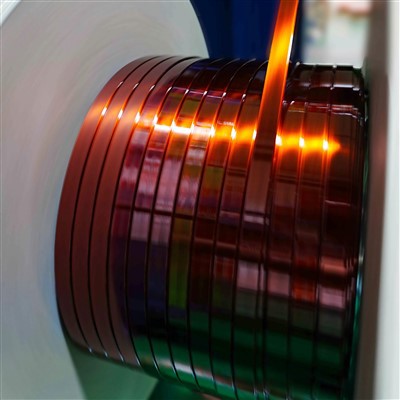
Wrapped Wire If you are in the market for flat twisted cables with good vibration resistance, I encourage you to contact us to discuss your specific requirements. Our team of experts can help you choose the right cable for your application and provide you with the support and guidance you need to ensure a successful installation.
References
- Grover, F. W. (1946). Inductance Calculations: Working Formulas and Tables. Dover Publications.
- Johnson, H. W., & Graham, M. (2003). High-Speed Signal Propagation: Advanced Black Magic. Prentice Hall.
- Montrose, M. I. (2000). Printed Circuit Board Design Techniques for EMC Compliance: A Handbook for Designers. Wiley-IEEE Press.
Tianjin Jingwei Power Technology Co., Ltd.
As one of the most professional flat twisted cable manufacturers and suppliers in China, we’re featured by quality products and good service. Please rest assured to buy durable flat twisted cable made in China here from our factory. Contact us for more details.
Address: No.1 Chuangxin Rd. Xiaozhan Industrial Park, Jinnan District, Tianjin, China
E-mail: info@jwdc.cn
WebSite: https://www.jw-dcs.com/
