Hey there! I’m a supplier of floating ball valves, and today I wanna chat about the role of the stem in a floating ball valve. It might seem like a small part, but it plays a super important role in how these valves work. Floating Ball Valve

Let’s start with the basics. A floating ball valve is a type of valve that uses a ball to control the flow of fluid. The ball has a hole in the middle, and when the valve is open, the hole aligns with the pipe, allowing fluid to pass through. When the valve is closed, the ball rotates so that the hole is perpendicular to the pipe, blocking the flow.
The stem is what connects the actuator (the thing that makes the valve open and close) to the ball. It’s like the bridge between the control mechanism and the valve’s main action. Without the stem, we wouldn’t be able to control the position of the ball, and the valve wouldn’t work as intended.
One of the key roles of the stem is to transfer the torque from the actuator to the ball. When you turn the handle or activate the electric or pneumatic actuator, the stem takes that force and rotates the ball. This is crucial for opening and closing the valve smoothly. If the stem isn’t strong enough or doesn’t transfer the torque properly, the valve might not open or close fully, which can lead to leaks or reduced flow.
Another important aspect is the sealing function. The stem has to be sealed to prevent leakage along its length. There are usually stem seals in place, like packing or O – rings. These seals make sure that the fluid inside the valve doesn’t escape out through the stem area. A good seal is essential for the overall performance and safety of the valve. If there’s a leak around the stem, it can not only waste the fluid but also cause potential hazards, especially if the fluid is dangerous or flammable.
The stem also needs to be corrosion – resistant. Since it’s in contact with the fluid flowing through the valve, it can be exposed to various chemicals and environmental conditions. If the stem corrodes, it can weaken over time, which can affect its ability to transfer torque and maintain a good seal. That’s why we often use materials like stainless steel or other corrosion – resistant alloys for the stem.
In terms of design, the stem has to be the right length and diameter. The length needs to be just right so that it can connect the actuator to the ball effectively without being too long or too short. If it’s too long, it might bend or break under the torque, and if it’s too short, it won’t be able to rotate the ball properly. The diameter is also important. A thicker stem can handle more torque, but it also needs to fit within the valve body and work with the sealing components.
Now, let’s talk about maintenance. The stem requires regular inspection. We need to check for signs of wear, corrosion, or damage. If we notice any issues, we can take steps to repair or replace the stem. For example, if the packing around the stem is worn out, we can replace it to ensure a good seal. Regular lubrication of the stem is also important. This helps to reduce friction between the stem and the valve body, making it easier to operate the valve and extending the lifespan of the stem.
As a floating ball valve supplier, I know how important it is to have a high – quality stem in our valves. We source the best materials and use advanced manufacturing techniques to ensure that the stems in our valves are strong, reliable, and corrosion – resistant. Our valves are designed to meet the needs of various industries, from oil and gas to water treatment.
If you’re in the market for floating ball valves, you need to pay attention to the quality of the stem. A well – designed and well – made stem can make a big difference in the performance and longevity of the valve. Whether you’re looking for a valve for a small – scale project or a large industrial application, we’ve got you covered.
We understand that every customer has different requirements. That’s why we offer a wide range of floating ball valves with different sizes, pressure ratings, and materials. Our team of experts can help you choose the right valve for your specific needs. We’re always here to answer your questions and provide you with the best solutions.
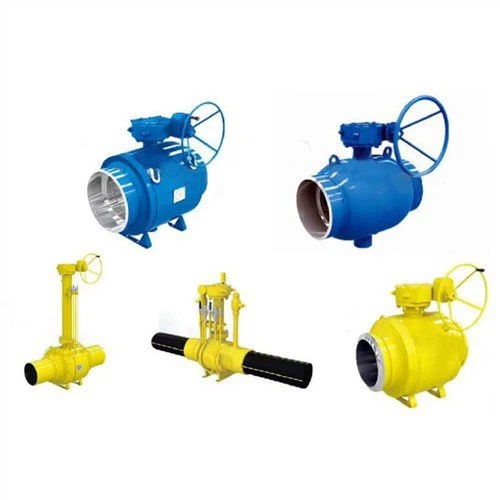
So, if you’re interested in our floating ball valves or want to learn more about the role of the stem in them, don’t hesitate to get in touch. We’re eager to have a chat with you and discuss how we can meet your valve needs. Just reach out to us, and we’ll start the conversation.
Ball Valve References:
- "Valve Handbook" by Valve Manufacturers Association
- "Piping and Pipeline Engineering: Design, Construction, Maintenance, Integrity, and Repair" by George A. Antaki
Zhejiang Sunawei Valve Co., Ltd.
As one of the most professional floating ball valve manufacturers and suppliers in China, we offer a wide range of valves with superior quality. Please feel free to wholesale high quality floating ball valve at competitive price from our factory. We also accept customized orders.
Address: Anfeng Industrial, Oubei Town, Wenzhou City, Zhejiang, China
E-mail: snv@sunawevalve.com
WebSite: https://www.sunay-valves.com/
