If you’ve ever worked in industries like hydrogen fueling, natural gas processing, or specialty gas manufacturing, you know that a diaphragm compressor is the unsung workhorse keeping operations running smoothly. As a diaphragm compressor supplier with 12 years in the business, I’ve seen firsthand how even the smallest, most overlooked maintenance missteps can turn a reliable piece of equipment into a costly downtime headache. I’ve also watched customers skip routine checks and end up replacing a compressor two years early—wasting thousands in capital. That’s why I’m breaking down exactly how to maintain your diaphragm compressor properly, from daily quick checks to annual overhauls, with practical steps I’ve honed over hundreds of service calls and customer consultations. Diaphragm Compressor
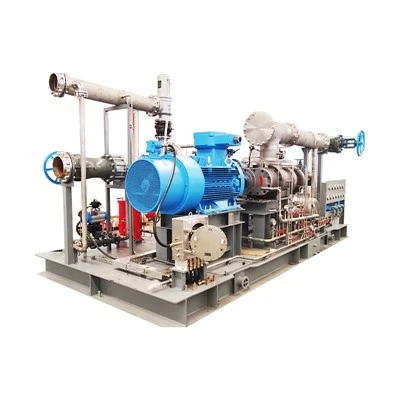
First, let’s clarify what makes diaphragm compressors unique, because their maintenance looks nothing like reciprocating or rotary screw models. Unlike compressors with pistons that touch process gas, a diaphragm compressor uses a thin metal disc (usually stainless steel, Hastelloy, or tantalum) to separate the compression chamber from the gas being moved. No contact means zero gas contamination, which is critical for high-purity applications like semiconductor manufacturing or medical oxygen production. That design also means wear is almost entirely on the diaphragm itself and the hydraulic system that drives it, not rubbing parts. If you miss servicing those two areas, you’re asking for leaks, pressure drops, or even catastrophic diaphragm rupture.
Let’s start with daily checks—these are non-negotiable, and they take less than 10 minutes if you make them part of your shift start routine. The biggest red flag to watch for is pressure consistency. Diaphragm compressors rely on precise hydraulic oil pressure to flex the diaphragm evenly; if the oil pressure drops 5% or more below the manufacturer’s spec (we usually set that at 150 PSI for standard industrial models, but check your operator manual), the diaphragm won’t seat properly, and you’ll get uneven compression. I once had a customer at a hydrogen station ignore a 10 PSI drop for three days; by the time they noticed, the diaphragm had a small tear, and they had to shut down for 48 hours to replace it, costing them thousands in lost fuel sales.
Next, check for gas leaks at the discharge and suction ports. Diaphragm compressors handle high-pressure gas (often up to 10,000 PSI), so even a tiny pinhole leak can lead to safety hazards or wasted product. Use a soapy water solution—spray it on fittings and watch for bubbles—to spot leaks. Never use an open flame; I’ve seen a customer try that and nearly ignite a hydrogen leak, with fire crews called before we could get there. Also, listen for unusual noises: a healthy diaphragm compressor has a steady, rhythmic hum. If you hear a high-pitched squeal, it’s usually a misaligned diaphragm or a worn hydraulic seal, and a deep, grinding noise often means the hydraulic fluid is low or contaminated.
Then, every 50 operating hours (that’s roughly one week for a 24/7 operation), you need to do a more detailed check focused on the hydraulic system. The hydraulic fluid is the heart of the diaphragm’s movement, so its condition is make-or-break. Start by checking the oil level in the hydraulic reservoir—too low, and the diaphragm won’t flex fully; too high, and it can overheat. Next, test the oil for contamination. Use a clean glass to drain a small sample; if it looks cloudy, has metal shavings, or smells burnt, it’s time for a flush and change. Metal shavings are a sign that internal seals or the diaphragm’s backing plate are wearing, which is a problem you don’t want to ignore. We also recommend checking the oil filter every 50 hours—clogged filters restrict hydraulic flow, leading to uneven diaphragm movement and premature wear.
Another key 50-hour check is diaphragm alignment. If the diaphragm isn’t centered between the compression chamber and the hydraulic oil cavity, it will wear unevenly, leading to shortened life. On most modern models, there’s an alignment marker on the diaphragm backing plate and the compressor head—line them up exactly, and tighten the mounting bolts in a crisscross pattern to avoid warping the diaphragm. I’ve seen customers skip alignment and go 200 hours without noticing, resulting in a diaphragm that only lasts 120 hours instead of the expected 500.
Moving to weekly and monthly maintenance: let’s start with the pressure relief valve. Diaphragm compressors have a built-in pressure relief valve to prevent overpressurizing, which can rupture the diaphragm or damage the compressor. Every month, test the valve by manually triggering it—you should hear a clear release of excess pressure. If it doesn’t engage, it’s a sign of buildup or a faulty spring, and you need to service it immediately. Also, inspect the gas filters on the suction line—these trap dirt and particulate that can scratch the diaphragm. A clogged suction filter restricts gas flow, making the compressor work harder and shortening diaphragm life. We recommend replacing these filters every 500 hours, but for dusty or dirty environments (like chemical plants), you might need to do it every 200.
For monthly checks, also inspect the diaphragm itself—you don’t need to remove it every time, but use a borescope (a small, flexible camera) inserted through the compressor head access port to check for small tears, scratches, or discoloration. Discoloration usually means the diaphragm is overheating, which can happen if hydraulic oil is contaminated or the cooling system isn’t working. I had a medical gas customer who ran their compressor in a hot, unventilated room; the diaphragm showed discoloration after three months, and we adjusted the cooling vents and oil type, extending its life by two years.
Now, quarterly maintenance: this is where you dig into the cooling and lubrication systems. Most diaphragm compressors use either air cooling (for smaller models) or water cooling (for large industrial units). For air-cooled models, clean the fins on the radiator every quarter—dust and dirt build up, reducing heat transfer and causing the hydraulic oil to overheat. For water-cooled units, flush the cooling lines to remove scale or debris, which can block flow and lead to overheating. Overheating is one of the top causes of diaphragm failure; a diaphragm operating at 10°F above its recommended temp will see its lifespan cut in half.
Also, every quarter, test the compressor’s performance curve. Use a pressure gauge and flow meter to measure the discharge pressure and gas flow, and compare it to the curve in your manual. If flow is 10% below spec or pressure is inconsistent, it’s a sign that the diaphragm is worn, or the hydraulic system has a leak. We recommend doing this test quarterly to catch issues before they become major problems.
The big one: annual maintenance (or every 2,000 operating hours, whichever comes first). This is when you do a full disassembly and inspection. Start by draining the hydraulic fluid and removing the diaphragm. Inspect it for tears, scratches, or fatigue—if it has any signs of wear, replace it. We usually recommend using OEM diaphragms here, because generic ones often have mismatched thickness or material, leading to uneven compression. For example, a Hastelloy diaphragm for hydrogen needs to be a specific grade to resist embrittlement, and using a cheaper generic can lead to a rupture.
Next, inspect the hydraulic seals and pistons. These parts are often overlooked, but a worn seal can leak hydraulic oil, leading to low pressure and diaphragm wear. We replace all hydraulic seals during the annual overhaul—even if they look fine—because worn seals are a hidden cause of downtime. Also, inspect the compression chamber for scratches or corrosion; if there’s a small scratch, you can polish it out, but if it’s deep, you’ll need to replace the chamber, as scratches will tear the diaphragm over time.
Then, reassemble the compressor carefully. Torque all bolts to the exact spec in the manual—over-tightening can warp the diaphragm, while under-tightening can lead to leaks. Fill the hydraulic reservoir with the correct type of oil (we recommend ISO 46 anti-wear hydraulic oil for most models, but check your manual for specifics) and bleed the hydraulic system to remove air bubbles—air in the oil leads to spongy diaphragm movement and inconsistent pressure. After reassembly, run the compressor at low pressure for 30 minutes, then gradually increase to full load, checking for leaks and pressure consistency.
Now, let’s talk about common mistakes I see customers make, because avoiding these can save you a ton of money. First, skipping routine oil changes. Some customers wait until the compressor alarms, but by then, the damage is already done. We’ve had customers who changed oil every 1,000 hours instead of 500, and their diaphragms lasted 300 hours instead of 500. Second, using the wrong gas filters. Suction filters are not one-size-fits-all; for specialty gases like helium, you need a filter with a fine mesh to trap tiny particles, while for natural gas, a coarser filter is fine. Using the wrong filter can lead to diaphragm scratches. Third, ignoring small leaks. A 1 PSI gas leak might seem trivial, but it can lead to pressure fluctuations that wear the diaphragm unevenly, leading to early failure.

If you follow these steps, your diaphragm compressor will last 10+ years, instead of the average 5 to 7. I’ve had customers who have run their original diaphragm compressor for 12 years with only occasional diaphragm replacements, and that’s all due to consistent maintenance. If you’re unsure about any of these steps, or if you need OEM parts, service, or a customized maintenance plan, don’t hesitate to reach out. As a diaphragm compressor supplier, we’re not just here to sell you equipment—we’re here to help you keep it running smoothly, minimize downtime, and save money.
High-Pressure Booster Air Compressor Reference
Hydraulic Diaphragm Compressors: Operation and Maintenance Guidelines, Compressor Technology Association, 2021.
Shanghai Sollant Energy Saving Technology Co., Ltd.
As one of the most professional diaphragm compressor manufacturers and suppliers in China, we’re featured by quality products and good service. Please rest assured to buy bulk durable diaphragm compressor from our factory. Welcome to view our website for more information.
Address: No.215, Songri Center, Beihongqiao, Jiading District, Shanghai, China.
E-mail: info3@sollant.com
WebSite: https://www.sollant-gas.com/
