Let’s cut to the chase, if you’re here because you’ve stared at a coffee carafe at your local café or even your own kitchen counter, squinted at the dark brown coffee inside, and thought “wait, how much is actually in this thing?” — you’re not alone. I’ve been in the coffee carafe game for over 7 years now, and that question is the one I get more than any other, way more than “how do I clean a stainless steel carafe without scratches” or “does glass vs. insulated matter for pour-over.” Most people don’t realize how big a difference those little lines on carafes make — and for us as a supplier, that’s a huge part of what makes our carafes actually useful, not just pretty to set out for guests. Coffee Carafe
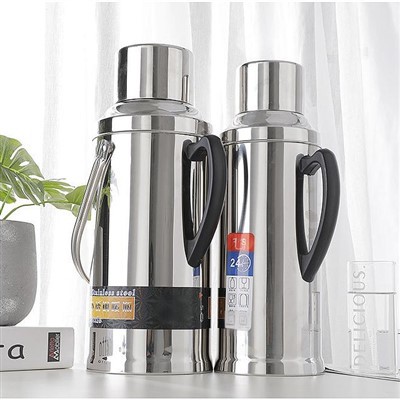
First, let’s get the basics out of the way: yes, there are coffee carafes with measurement markings. They’re not some weird, niche product only baristas use — I used to work a barista shift on weekends back in my early 20s, and our shop’s old glass carafes had lines on the side that the owners had hand-doodled with a Sharpie. Back then, no one made carafes with actual factory-printed marks, right? Turns out that’s not true. But it took a minute for brands to catch on, mostly because a lot of home users didn’t know they needed it, and commercial buyers thought “eh, baristas can eyeball it.” Wrong.
Now, let’s break down why those markings matter way more than you’d think. For home users, let’s say you’re using a drip coffee maker every morning. If you fill your carafe to the 12-cup line, that’s the exact amount your machine is programmed to brew, no guesswork. No more overbrewing and getting that bitter, burnt-tasting mess, or underbrewing so your coffee is weak and watery. I’ve had home customers message me saying they used to guess by filling the reservoir, and they’d either run out mid-carafe or have 2 cups left that got cold. The markings fix that. They’re also clutch for people who love pour-over or cold brew — if you’re following a specific ratio, like 1:16 coffee to water, those lines let you measure water without pulling out a separate measuring cup. No more dirtying extra dishes, which is a win for anyone who hates washing more mugs than they need on a Monday morning.
For commercial buyers, like small cafés, office break rooms, or even food trucks? It’s non-negotiable. Think about it: if a café is prepping 5 carafes of pour-over for the morning rush, and each carafe has a clear 8-cup, 10-cup, 12-cup line, that’s consistent every single time. No more one carafe being too strong and another too weak because the barista filled a little over or under. Offices? If you’re making 2 full carafes for a 50-person team, marking lines mean you don’t end up with half a carafe that’s left to get warm all afternoon, or not enough for the lunch rush. We supply a lot of small local cafés, and one of our first big accounts told us those markings cut their coffee waste by almost 15% in the first 3 months they switched to our marked carafes. That’s a big deal when coffee costs are going up, right?
Now, let’s talk about what those markings actually are, because not all lines are created equal. A lot of people think they’re just random lines for cups, but good carafes have volume markings that are accurate — not approximate. Some cheap imported carafes have lines that are off by an ounce or two, which throws off ratios. The carafes we supply have markings in two common units: ounces and milliliters. Why both? Because we’ve had customers in the US who only use ounces, and customers in Europe, Canada, or Australia who use mL. No more converting back and forth, which is annoying. We also make sure the lines are printed where they’re easy to read, not hidden under the handle or on the back side of the carafe. That’s a mistake a lot of brands make — they add markings but put them in a spot you can’t see when you’re pouring coffee, which defeats the whole purpose.
Wait, also — there are different types of carafes, right? The glass ones, the stainless steel insulated ones, the plastic ones for travel, and not all of them have markings. But the ones that do are almost always the ones designed for brewing and serving consistent batches, not just holding a random amount. For example, our glass carafes (the ones most home drip makers use) have clear, FDA-approved printed lines that don’t wash off even after years in the dishwasher. We’ve tested ours — we run them through our in-house dishwasher 50 times, and the lines are still just as sharp as day one. The insulated stainless steel carafes we supply for commercial use have etched markings, not printed, because they handle higher heat and wear better. No fading, no smudging, even if you’re wiping them down with a scrub brush after a busy morning.
I should also address a common myth: a lot of people think those lines are for “cups” like the tiny 6oz coffee cup, not a 8oz or 12oz standard. That’s partially true, but we make sure to label our lines clearly so you know what they’re measuring. For example, our 12-cup line on a glass carafe is exactly 60oz, which is the standard 12 5oz coffee servings (since a typical coffee cup is around 5oz when you account for crema, especially for pour-over). A lot of old carafes only marked “cups” without specifying, which is why people got confused. We fixed that by adding the volume in oz and mL next to each line, so there’s no guesswork.
Let me share a quick anecdote to make this real. A few months back, a guy from a local office break room hit me up, saying he’d been using our insulated carafes for their team, and he was now the office “coffee guy” because everyone says the coffee tastes way more consistent. He told me before, they were using random old carafes from the supply closet, some with marks, some not, and one day they’d have strong coffee, the next weak, so no one wanted to drink it. Once they switched to our marked carafes, he just filled each carafe to the 50oz line every morning, and every batch was the same. He even said the office spent $20 less a week on coffee because they weren’t throwing away half-carafes that went cold. That’s the stuff that makes this job worth it, y’know?
Now, if you’re wondering which type of marked carafe is right for you, here’s the quick breakdown. If you’re a home user, especially if you use a drip coffee maker or do pour-over, go for a glass carafe with printed oz/mL lines — it’s affordable, works with most machines, and easy to clean. If you want something that keeps coffee hot longer, our insulated stainless steel marked carafes are perfect, just note that they’re a little pricier. For commercial use, we usually recommend our heavier-duty etched-mark carafes, whether glass or stainless, because they take more wear and tear, and the marks don’t fade even with daily heavy use. We also do custom markings if a shop wants their brand logo next to the volume lines, which is a fun add-on.
Wait, one more thing I should mention: some people worry that adding lines to a carafe will make it harder to clean, or that the lines will get stained with coffee. Nope, not with our carafes. The printed lines on glass are done with food-grade ink that resists stains, and the etched lines on stainless are smooth, so coffee oils don’t get stuck in them. We tested this by leaving carafes full of cold brew for 3 days, washing them with our standard dish soap, and the lines looked exactly the same. No weird brown stains, no smudging. That’s a big plus, because no one wants to have to scrub the lines extra hard every time.
Now, I know some of you might still be thinking, “I’ve never used a marked carafe, so why do I need one?” Let’s be real: even if you’re just making coffee for yourself, it’s way easier than guessing. Last week, I had a roommate come over, and she was complaining that her coffee always tasted off. I told her to look for a marked carafe when she replaces her old one, and she did, a week later, she texted me saying “why didn’t anyone tell me this was a game changer?” That’s the reaction we get all the time — people don’t realize how much a little line or two makes until they use it.
If you’re here because you’re looking to upgrade your carafes, whether for home, a small business, or an office, we have a whole range of marked carafes for every need. We don’t do cheap, flimsy stuff that falls apart after a month — all our carafes are tested for accuracy, durability, and stain resistance, so you don’t have to worry about wasting money on something that doesn’t work. If you’re a commercial buyer or even a large office coordinator, we can also do bulk orders with quick turnaround times, no extra hoops to jump through.

If you have questions, want to see sample carafes, or talk about ordering, hit us up to connect for procurement talks. We’re here to make sure you get exactly what you need, no confusing specs or hidden fees.
Coffee Carafe References:
Specialty Coffee Association of America. (2022). Equipment Guidelines for Consistent Coffee Brewing.
National Restaurant Association. (2021). Commercial Foodservice Equipment Maintenance and Efficiency Report.
University of Hospitality Management. (2023). Kitchen and Food Service Tool Accuracy Standards.
Kairun International Co., Ltd.
With abundant experience, we are one of the most professional coffee carafe suppliers in China. Please feel free to wholesale customized coffee carafe made in China here from our factory. For more cheap products, contact us now.
Address: NO. 60 JIAZHAI,NANSHI DISTRICT,DONGYANG CITY,ZHEJIANG PROVINCE, CHINA
E-mail: lanzhou301@126.com
WebSite: https://www.kairun-houseware.com/
