Hey everyone, Open Frame Gasoline Generator
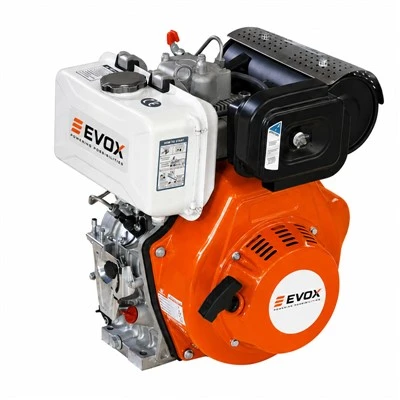
If you’ve ever dealt with an open frame gasoline generator, you know how frustrating it is when it won’t fire up out of the blue. As someone who’s spent years working with these things—running a small supplier that focuses on open frame models, trust me, I’ve been there. Last month alone, three regular customers hit me up panicking because their generator died mid-camping trip or when the power went out at their shop, and the first thing they asked was, “Is there even a spark?” That’s the thing with open frame generators: since they’re exposed, checking the spark is way easier than with enclosed inverter models, but a lot of folks either overcomplicate it or do it wrong. I’m gonna walk you through exactly how to do it step by step, no fancy tools needed, just stuff you probably have lying around. And hey, this stuff works for just about any open frame gas gen—whether you’ve got a 2000-watt portable for tailgates or a bigger 5000-watt job for a worksite.
First off, let’s get one thing straight: safety first. Open frame generators aren’t dangerous if you treat ‘em right, but you gotta be careful. I can’t tell you how many times I’ve seen someone yank the spark plug cap off while the engine’s running, or try this on a hot engine. Wait till it’s cool—like, at least an hour after it died, even if you think it was just a quick blip. And don’t do this near flammable stuff—no gas cans sitting right next to the gen, no open flames. I know it’s tempting to test it right away, but a little patience goes a long way. Also, make sure the generator’s on a flat surface, the fuel valve’s turned on (wait, yeah—half the time people forget that!), and the engine stop switch is in the “run” position. I’ve had a customer show up last week saying his gen had no spark, and turns out he’d flipped the stop switch to “off” by accident while grabbing a soda. Oops.
Okay, let’s get to the actual spark check. Here’s what you’ll need: a few things you probably already have. You’ll need the spark plug wire (the one that connects to the spark plug), the spark plug itself, a metal tool that’s not insulated—like a flathead screwdriver, or a pair of pliers with a metal grip. Wait, and if you don’t have a spare spark plug? No big deal, but if you do, that’s easier. But I’ll cover both ways.
First, the method with the spark plug still in the engine. This is the most common way, and it’s quick. Step 1: Locate the spark plug. On an open frame generator, it’s easy to spot—look for the rubber boot (that’s the spark plug cap) sticking out of the engine block, usually near the top. It’s a thick black wire, so you can’t miss it. Step 2: Grab that metal tool—your flathead screwdriver works here. Grab the spark plug cap (the rubber boot, not the wire itself) and pull it straight off the spark plug. Don’t yank the wire, just the boot—if you pull the wire, you can damage the connection inside, and that’s a pain to fix. Step 3: Now, you need to ground the spark plug. Take that metal tool, and hold the end of it against the metal part of the engine block—make sure it’s a clean, bare metal spot, not painted. If your generator has fins on the engine (most open frame ones do), that’s perfect. Step 4: Now, take the spark plug and push it into the spark plug cap. Wait, important: make sure the metal threads of the spark plug are touching the metal part of the screwdriver or the tool you’re holding to the engine. So it’s like the spark plug is hanging there, metal side down, connected to the cap, and the other end is touching the metal tool, which is on the engine. That’s how you ground it. Step 5: Now, have someone else gently pull the recoil start (or if you’re by yourself, you can do this, but it’s easier with a buddy) while you watch the spark plug’s metal tip. Wait, what do you look for? When you pull the recoil, you should see a bright blue spark jump from the center electrode of the spark plug to the side electrode. If it’s yellow or weak, that’s a sign you’ve got a problem. No spark at all? Then you need to dig deeper.
Wait, hold on—let’s talk about the wrong way to do this. A lot of people will just hold the spark plug wire near the engine and pull the recoil. That actually doesn’t test the spark plug itself—it tests the coil. If you do that, you might miss a bad spark plug. So the method where you take the spark plug out, put it back in the cap, and ground it is the right way, because it’s testing the whole system, not just the coil. I can’t tell you how many customers come to me saying their coil is bad, and it turns out they just had a fouled spark plug. They skip the right check and waste money on a new part they don’t need.
If you don’t have a buddy, or you’re too nervous to hold the spark plug while someone pulls the recoil, there’s another way—you can turn the engine over by hand, but wait, only if your generator has a manual compression release? No, maybe just make sure the recoil is easy to pull. Alternatively, some guys will use a drill—if you have a drill that fits the starter shaft (most small engine starters do), you can attach it and spin the engine that way, which is safer alone. I wouldn’t recommend that for beginners, though—stick with the buddy method first.
Now, what if you take out the spark plug and there’s no spark? Let’s break down the common causes, because that’s half the battle. First, check the spark plug itself. Is it wet? That means it’s flooded—if you flooded the engine by pulling the recoil too many times, that’s a quick fix: take the plug out, dry it off, let it sit for 10 minutes, put it back in, and try again. Is it covered in carbon? If it’s black and gunky, that’s a fouled spark plug. You can clean it with a wire brush (just the electrode part, don’t scratch the porcelain) or replace it—most spark plugs for open frame gas gens are super cheap, like $5-$10, so replacing it is easier than cleaning, honestly.
If the spark plug looks fine—dry, clean, not worn out—then the problem is probably the ignition coil (also called the magneto). The ignition coil is what creates the spark, and since open frame generators have exposed ignition components, they can get dirty, or even get moisture in them if you’re using the generator outside in the rain. Wait, moisture is a big one—if your generator’s been sitting in a damp garage, or you used it in the rain, the coil might have water inside, so it can’t make a spark. You can try drying it with a hair dryer (on cool, not hot—don’t melt the plastic) and see if that works. If not, maybe the coil is bad, but hold up—before you buy a new coil, check the wiring. The spark plug wire—sometimes the connection inside the cap gets corroded, so pulling the cap off and checking for dirt there can help. Just twist the cap off, look at the metal terminal, clean it with a little sandpaper, and put it back on. That fixed a generator for a customer last week—he thought his coil was shot, just because of a corroded wire.
Another thing: the air gap between the flywheel and the ignition coil. Open frame generators have a flywheel with magnets, and the coil sits near it. If the gap is too big, the coil can’t pick up the magnetic field to make spark. Most open frame gas gens have a spec for that gap—usually around 0.010 to 0.020 inches. You can get a feeler gauge (they’re like $3 at any auto parts store) to check it. If it’s too big, you can gently bend the coil’s mounting bracket a little to bring it closer. But don’t bend it too much—if it’s too small, it can cause the coil to overheat. That’s a common issue with older generators, especially if they’ve been moved around a lot, which knocks the coil out of alignment.
Wait, what if you do see a spark, but it’s weak or yellow? That’s not good, even if there is a spark. A weak spark means the generator won’t run right— it might sputter, die after a few minutes, or not start at all. That’s usually either a bad coil, a fouled plug, or again, moisture in the system. I had a customer at a construction site last month—his generator was running fine, then suddenly it started sputtering, and the spark was yellow. We checked the plug, it was a little fouled, cleaned it, and the spark turned bright blue, and it ran like new. That’s way cheaper than buying a new coil, so always check the plug first.
Let me also mention a mistake a lot of new open frame generator owners make: they use the wrong type of spark plug. Check your owner’s manual—most open frame gas gens need a specific heat range spark plug. If you use one that’s too cold or too hot, you won’t get a good spark, or you’ll damage the engine. I always tell my customers to keep a spare spark plug and a small tool kit with their generator—you never know when you’ll need it. And changing a spark plug on an open frame generator is way easier than on a car, because everything’s exposed, no tight engine bay to work in.
Wait, let’s circle back to safety for a second. When you’re grounding the spark plug to the engine, make sure you’re not wearing anything that could get caught—loose sleeves, long necklaces, that stuff. And don’t touch the spark plug’s metal part while the recoil is being pulled—even if the engine’s off, the coil can give you a little shock, and I don’t want anyone getting hurt. It’s a minor shock, but it’s not fun. Also, never test a spark plug while the generator is indoors—carbon monoxide is deadly, and open frame generators put out a lot of it, even when they’re running for a second. Always do this outside, in a well-ventilated area.
Now, what if you’ve done all these checks—you replaced the spark plug, checked the coil, adjusted the air gap, cleaned the wires—and there’s still no spark? Then maybe there’s a deeper issue, like a bad ignition switch, or a broken wire inside the engine. That’s when it’s time to either take it to a small engine mechanic, or if your generator is still under warranty, reach out to your supplier (that’s me, by the way—we’ve got techs who can help you troubleshoot, and we stock all the parts for open frame generators, so you don’t have to go hunting for stuff online).
Here’s a quick recap to make sure you don’t forget anything: 1. Safety first—cool engine, flat surface, outside, no flammables. 2. Locate the spark plug, pull the cap off (not the wire). 3. Ground the spark plug by attaching its metal threads to a clean metal engine spot. 4. Pull the recoil (or spin the engine) and look for a bright blue spark. 5. If no spark: check for flooded plug, clean/replace plug, check wiring and coil, adjust air gap. 6. If weak spark: same steps, plus check for moisture.
I know this sounds like a lot, but once you’ve done it once or twice, it’s second nature. Open frame generators are super reliable, but they need a little basic maintenance, and checking the spark is one of the easiest, most important things you can do when it won’t start. A lot of people get intimidated by small engines, but these open frame models are designed to be worked on—no fancy engineering hiding under a plastic cover. That’s the beauty of them, right?
If you’re dealing with a generator that won’t spark, or you’re shopping for a new open frame gas generator and want something that’s easy to maintain, hit me up. We supply open frame generators for all kinds of uses—camping, job sites, backup power for homes—and our team can help you pick the right one, or answer any questions you have about troubleshooting. Don’t let a dead generator ruin your next trip or power outage—know how to check the spark, and if you need parts or a new unit, we’re here to help.
Before I sign off, let’s make sure we covered all the bases. I’ve had customers tell me they used this exact method and fixed their generator in 10 minutes, no mechanic needed. It’s not rocket science, and it’s way cheaper than calling someone to come look at it. And always, if you’re not comfortable doing this, that’s okay—just reach out to us, or a local small engine shop. Safety is way more important than trying to fix something you’re not sure about.

Thanks for reading, and if you have any questions, don’t hesitate to get in touch. Happy generating!
Engine References:
- Small Engine Repair Manual, Briggs & Stratton, 2021
- “Troubleshooting Open Frame Generator Ignition Systems”, Generator Supply Tech Blog, 2022
- OSHA Safety Guidelines for Portable Generator Operation, 2020
Evoxpower Technology
Evoxpower Technology is one of the most professional open frame gasoline generator manufacturers and suppliers in China, featured by quality products and good service. Please rest assured to buy the newest open frame gasoline generator in stock here and get pricelist from our factory. Contact us for customized service and OEM service.
Address: 11 Fortune Avenue, Yubei District, Chongqing, China
E-mail: stephen@allrightpower.com
WebSite: https://www.evoxpower.com/
