As a supplier of Functional Distribution Boxes, I am often asked about the various connection methods available for these essential electrical components. In this blog post, I will delve into the different connection techniques, their advantages, and considerations for choosing the right method for your specific needs. Functional Distribution Box
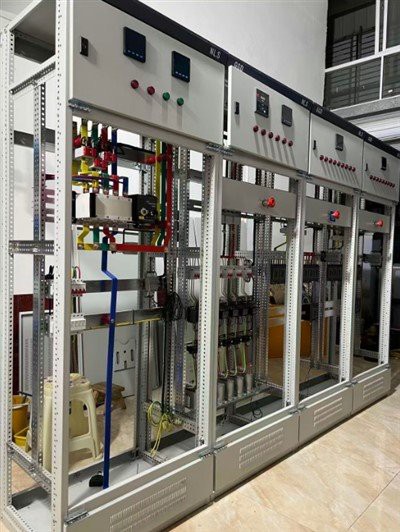
Wired Connection Methods
Terminal Block Connections
Terminal blocks are one of the most common and straightforward ways to connect wires to a Functional Distribution Box. They consist of a series of metal terminals housed in an insulating block, where wires can be securely clamped using screws or other fastening mechanisms. Terminal blocks are available in various configurations, including single-level, double-level, and multi-level designs, allowing for the connection of multiple wires in a compact space.
One of the main advantages of terminal block connections is their simplicity and ease of use. They do not require any specialized tools or skills, making them suitable for both professional electricians and DIY enthusiasts. Additionally, terminal blocks provide a reliable and secure connection, ensuring that the electrical circuit remains stable and safe. However, it is important to ensure that the wires are properly stripped and inserted into the terminals to prevent loose connections, which can lead to overheating and potential fire hazards.
Screwless Spring Clamp Connections
Screwless spring clamp connections are a modern alternative to traditional terminal blocks. These connections use spring-loaded mechanisms to hold the wires in place, eliminating the need for screws. The wires are simply inserted into the clamp, and the spring automatically applies pressure to create a secure connection.
Screwless spring clamp connections offer several advantages over terminal blocks. They are faster and easier to install, as there is no need to tighten screws. This can significantly reduce installation time, especially for large-scale projects. Additionally, spring clamp connections provide a more reliable and consistent connection, as the spring pressure ensures that the wires remain firmly in place, even in environments with vibrations or temperature fluctuations. However, they may be more expensive than terminal blocks, and they require a specific type of wire with a compatible insulation diameter.
Plug-and-Play Connectors
Plug-and-play connectors are another popular option for connecting Functional Distribution Boxes. These connectors are pre-wired and have a standardized design, allowing for quick and easy installation. They typically consist of a male and female connector that can be easily plugged together, much like a power cord.
One of the main advantages of plug-and-play connectors is their convenience. They do not require any wiring or soldering, making them ideal for situations where quick installation is required. Additionally, they are reusable, which can save time and money in the long run. However, plug-and-play connectors may not be suitable for all applications, as they may not provide the same level of security and reliability as terminal blocks or spring clamp connections. They are also more expensive than traditional connection methods.
Wireless Connection Methods
Bluetooth Connectivity
Bluetooth is a short-range wireless communication technology that allows devices to connect and exchange data over a secure, encrypted connection. Some Functional Distribution Boxes are equipped with Bluetooth connectivity, which enables them to be controlled and monitored remotely using a smartphone or tablet.
Bluetooth connectivity offers several advantages for Functional Distribution Boxes. It allows for easy setup and configuration, as the user can simply connect their device to the box using the Bluetooth interface. Additionally, it provides real-time access to the box’s status and settings, allowing for remote monitoring and control. However, Bluetooth has a limited range, typically up to 10 meters, which may limit its use in larger installations.
Wi-Fi Connectivity
Wi-Fi is a widely used wireless communication technology that allows devices to connect to the internet and other devices over a local area network (LAN). Functional Distribution Boxes with Wi-Fi connectivity can be integrated into a smart home or building automation system, allowing for remote control and monitoring from anywhere in the world.
Wi-Fi connectivity offers several advantages for Functional Distribution Boxes. It provides a high-speed, reliable connection, allowing for quick and easy access to the box’s status and settings. Additionally, it enables the box to be integrated with other smart devices, such as sensors, cameras, and thermostats, creating a comprehensive smart home or building automation system. However, Wi-Fi requires a stable internet connection, which may not be available in all locations.
ZigBee Connectivity
ZigBee is a low-power, wireless communication technology that is specifically designed for use in home automation and industrial control applications. It operates on the same frequency band as Wi-Fi and Bluetooth, but it uses a different protocol that is optimized for low-power, low-data-rate applications.
ZigBee connectivity offers several advantages for Functional Distribution Boxes. It provides a reliable, secure connection, even in environments with interference or obstacles. Additionally, it has a low power consumption, which makes it ideal for battery-powered devices. However, ZigBee has a limited range, typically up to 100 meters, which may limit its use in larger installations.
Choosing the Right Connection Method
When choosing a connection method for your Functional Distribution Box, there are several factors to consider, including the application, the environment, the cost, and the level of security required. Here are some general guidelines to help you make the right decision:
- Application: Consider the specific requirements of your application. If you need a quick and easy installation, plug-and-play connectors or wireless connectivity may be the best option. If you need a reliable and secure connection, terminal blocks or spring clamp connections may be more suitable.
- Environment: Consider the environment in which the Functional Distribution Box will be installed. If the environment is harsh or exposed to vibrations, a more secure connection method, such as terminal blocks or spring clamp connections, may be required. If the environment is clean and stable, wireless connectivity may be a viable option.
- Cost: Consider the cost of the connection method, including the initial purchase price and the ongoing maintenance costs. Plug-and-play connectors and wireless connectivity may be more expensive than traditional connection methods, but they may also offer significant savings in terms of installation time and labor costs.
- Security: Consider the level of security required for your application. If the Functional Distribution Box contains sensitive information or controls critical systems, a more secure connection method, such as wired connections or encrypted wireless connections, may be required.
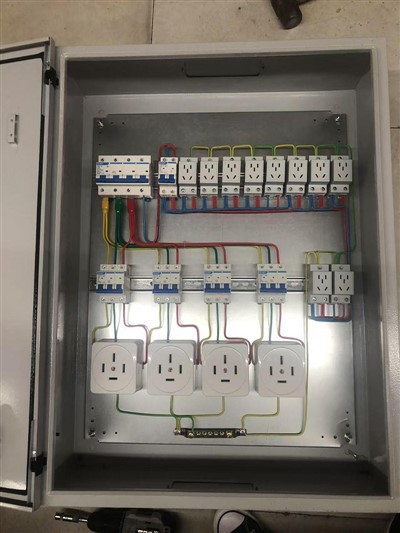
In conclusion, there are several connection methods available for Functional Distribution Boxes, each with its own advantages and considerations. By understanding the different options and choosing the right method for your specific needs, you can ensure that your Functional Distribution Box is installed correctly and operates safely and efficiently.
Lv Distribution Board If you are interested in learning more about our Functional Distribution Boxes or would like to discuss your specific requirements, please feel free to contact us. We would be happy to assist you with your procurement needs and provide you with the best solutions for your application.
References
- Electrical Wiring Handbook: A Comprehensive Guide to Electrical Wiring and Installation
- Home Automation for Dummies: An Introduction to Smart Home Technology and Systems
- ZigBee Alliance: The Official Website of the ZigBee Alliance, providing information on ZigBee technology and standards
Anhui Nanxian Electric Co., Ltd.
With abundant experience, we are one of the most professional functional distribution box manufacturers and suppliers in China. We warmly welcome you to buy advanced functional distribution box for sale here and get quotation from our factory. All customized products are with high quality and low price.
Address: Factory Unit 03-2, Building 21, Feidong Yinfeng Industrial Park Co., Ltd., Northeast Corner of Manquan Road and Changle Road, Hefei Circular Economy Demonstration Park, Feidong County, Hefei City, Anhui Province.
E-mail: 541580567@qq.com
WebSite: https://www.nxelepower.com/
