Can home battery storage systems be programmed for different usage patterns? Home Battery Storage

As a supplier in the home battery storage industry, I’ve often come across homeowners and businesses asking about the programmability of home battery storage systems. The short answer is yes, home battery storage systems can indeed be programmed for different usage patterns, and this feature is one of the most significant advantages of modern battery technology.
Understanding the Basics of Programmability
To begin with, let’s understand what programmability means in the context of home battery storage. A programmable home battery storage system allows users to set specific rules and parameters for how the battery charges and discharges. This is made possible through advanced battery management systems (BMS) that are integrated into the battery units.
The BMS acts as the brain of the battery system. It monitors the battery’s state of charge, temperature, and other critical parameters. It also communicates with the home’s electrical system, solar panels (if present), and the grid. Based on the pre – set programming, the BMS can make real – time decisions about when to charge the battery, when to use the stored energy, and when to draw power from the grid.
Different Usage Patterns and Programming
Peak Shaving
One of the most common usage patterns is peak shaving. In many regions, electricity prices vary throughout the day, with higher prices during peak demand hours. Home battery storage systems can be programmed to charge during off – peak hours when electricity is cheaper and discharge during peak hours.
For example, in a typical household, peak demand usually occurs in the evening when people return home from work, turn on lights, appliances, and entertainment systems. By programming the battery to discharge during this time, homeowners can avoid drawing high – cost electricity from the grid. The BMS can be set to start discharging when the grid electricity price reaches a certain threshold, ensuring maximum cost savings.
Self – Consumption of Solar Energy
For homes with solar panels, maximizing self – consumption of solar energy is a key goal. Solar energy production is highest during the day, but a household’s electricity consumption may not align perfectly with solar production. A programmable battery storage system can store excess solar energy generated during the day and use it later when the sun is not shining.
The system can be programmed to charge the battery as soon as the solar panels start producing more electricity than the home is consuming. Then, during the evening or at night, the battery can discharge to power the home, reducing reliance on the grid. This not only helps homeowners save money but also makes their energy use more sustainable.
Backup Power
Another important usage pattern is backup power. In areas prone to power outages, a home battery storage system can be programmed to act as a backup power source. The BMS can be set to detect a power outage and automatically switch the home’s power supply to the battery.
The programming can also determine which essential appliances and circuits are powered during an outage. For example, a homeowner may want to prioritize powering the refrigerator, a few lights, and a Wi – Fi router. The battery system can be programmed to provide power only to these critical loads, ensuring that the stored energy lasts as long as possible during the outage.
The Benefits of Programmability
Cost Savings
As mentioned earlier, programmability can lead to significant cost savings. By taking advantage of off – peak electricity rates and reducing peak – time grid consumption, homeowners can lower their monthly electricity bills. Over time, these savings can offset the initial investment in the home battery storage system.
Energy Independence
Programmable battery systems allow homeowners to become more energy independent. By storing solar energy or charging during off – peak hours, they are less reliant on the grid. This is especially beneficial in areas with an unreliable grid or in regions where electricity prices are expected to rise.
Environmental Impact
Using a programmable battery storage system to maximize self – consumption of solar energy reduces the need for electricity generation from fossil fuels. This helps to lower greenhouse gas emissions and promote a more sustainable energy future.
Real – World Examples of Programmable Battery Systems
In recent years, many home battery storage systems on the market have demonstrated the power of programmability. Tesla’s Powerwall, for instance, comes with a user – friendly app that allows homeowners to program the battery’s charging and discharging patterns. Users can set preferences for peak shaving, self – consumption, and backup power, and the app communicates with the battery’s BMS to implement these settings.
LG Chem’s RESU battery system also offers advanced programmability features. It can be integrated with smart home systems, allowing for seamless control of the battery’s operation. Homeowners can use voice commands or a smartphone app to adjust the battery’s settings based on their changing energy needs.
Challenges and Considerations
While the programmability of home battery storage systems offers many benefits, there are also some challenges and considerations.
Technical Knowledge
Programming a home battery storage system requires a certain level of technical knowledge. Homeowners need to understand how electricity rates work, how their home’s energy consumption patterns vary, and how to set the appropriate parameters in the battery management system. To address this issue, many battery suppliers offer installation and setup services, as well as user training and support.
Compatibility with Existing Systems
The battery storage system needs to be compatible with the home’s existing electrical system and solar panels (if any). Some older homes may require electrical upgrades to ensure seamless integration of the battery system. It is important for homeowners to consult with a professional electrician or the battery supplier to determine the compatibility and any necessary modifications.
Battery Degradation
Frequent charging and discharging cycles can affect the lifespan of the battery. When programming the battery system, it is crucial to consider the battery’s depth of discharge (DOD) and charging rate. Setting the DOD too high or charging the battery too quickly can lead to premature battery degradation. The battery management system should be programmed to optimize the charging and discharging cycles to extend the battery’s lifespan.
Conclusion
In conclusion, home battery storage systems can definitely be programmed for different usage patterns. This programmability offers numerous benefits, including cost savings, energy independence, and environmental sustainability. However, homeowners need to be aware of the technical challenges and considerations associated with programming these systems.
As a home battery storage supplier, we are committed to providing our customers with high – quality, programmable battery systems. Our team of experts can help you understand the best usage patterns for your home, install the system correctly, and train you on how to program and manage the battery.
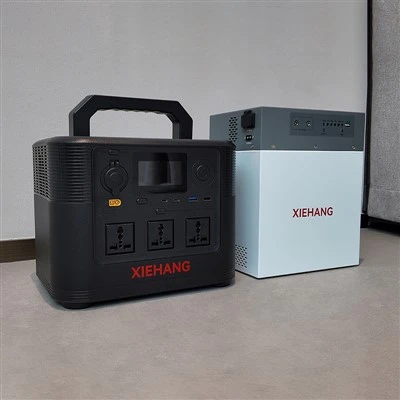
If you are interested in learning more about our home battery storage systems and how they can be programmed to meet your specific energy needs, we invite you to contact us for a procurement discussion. Our experienced sales team will be happy to answer all your questions and provide you with a customized solution.
All in One Home Energy Storage System References
- "Battery Energy Storage Systems: Design and Analysis with MATLAB®/Simulink®" by Massimo Ceraolo, et al.
- Industry reports on home battery storage systems from market research firms such as BloombergNEF.
- Technical documentation from battery manufacturers like Tesla, LG Chem, and Sonnen.
Zhejiang Xiehang New Energy Equipment Co., Ltd.
As one of the most professional home battery storage manufacturers and suppliers in China, our products have good reputation in the market. Please erst assured to wholesale custom made home battery storage from our factory. If you have any enquiry about cooperation, please feel free to email us.
Address: No.5 Hechen Road, Zhouwangmiao Town, Haining, Jiaxing City, Zhejiang Province, China
E-mail: dan.wu@xiehang.net
WebSite: https://www.shineonpower.com/
