When it comes to the world of printing, the choice of printing rollers can significantly impact the quality, efficiency, and cost – effectiveness of the printing process. As a supplier of gravure rollers, I’ve had the privilege of working closely with various print shops, packaging companies, and other businesses in the printing industry. In this blog post, I’ll delve into the key differences between gravure rollers and other types of printing rollers, offering insights that I hope will help you make an informed decision for your printing needs. Gravure Roller
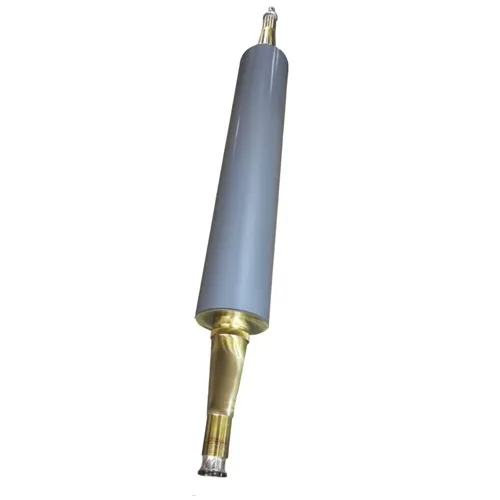
Understanding Printing Rollers
Before we can explore the differences, it’s important to have a basic understanding of what printing rollers are. Printing rollers are essential components in the printing process. They are typically made of materials like rubber, metal, or a combination of both, and their primary function is to transfer ink from an ink source to the printing substrate, such as paper, plastic, or fabric.
There are several types of printing rollers commonly used in the industry, including flexographic rollers, offset rollers, and gravure rollers. Each type has its own unique characteristics, advantages, and limitations.
Gravure Rollers: An Overview
Gravure rollers are specifically designed for the gravure printing process. Gravure printing is a high – quality, high – volume printing method that is often used for applications such as packaging, magazines, and labels. These rollers are made from a metal cylinder, usually copper or steel, which is then engraved with a pattern of tiny cells. The cells hold the ink, and as the roller rotates, the ink is transferred to the substrate.
The engraving process of gravure rollers is a critical step. It can be done through mechanical engraving, electronic engraving, or laser engraving. Each method offers different levels of precision and detail. For example, laser engraving allows for extremely fine and precise cell patterns, which can result in high – resolution prints.
Key Differences between Gravure Rollers and Other Printing Rollers
1. Printing Quality
One of the most significant differences between gravure rollers and other printing rollers is the quality of the print. Gravure printing is known for its high – resolution, sharp, and consistent prints. The engraved cells on the gravure roller can hold a large amount of ink, which allows for a more even distribution of ink on the substrate. This results in rich, vibrant colors and detailed images.
In contrast, flexographic rollers, which are commonly used in the packaging industry, may not offer the same level of detail. Flexographic printing uses a flexible relief plate to transfer ink, and while it is suitable for many applications, it may not be able to achieve the same level of sharpness and precision as gravure printing. Offset rollers, on the other hand, rely on a rubber blanket to transfer ink, and while they can produce high – quality prints, they may be more prone to issues such as dot gain, which can affect the overall clarity of the image.
2. Printing Speed and Volume
Gravure rollers are well – suited for high – volume printing jobs. The gravure printing process is relatively fast, and the rollers can handle continuous printing at high speeds. This makes them ideal for large – scale production runs, such as those required for magazines and packaging.
Flexographic rollers can also be used for high – volume printing, but they may require more frequent plate changes, which can slow down the production process. Offset rollers, while capable of high – speed printing, may be more limited in terms of the types of substrates they can handle and the volume of ink they can transfer, especially for long – run jobs.
3. Ink Transfer and Control
Ink transfer is another area where gravure rollers differ from other printing rollers. Gravure rollers have a unique way of transferring ink. The engraved cells on the roller hold the ink, and the amount of ink transferred to the substrate can be precisely controlled by adjusting the depth and size of the cells. This allows for accurate color reproduction and consistent print quality.
Flexographic rollers transfer ink through a relief plate, and the amount of ink transferred can be more difficult to control precisely. Offset rollers rely on a rubber blanket, and the ink transfer process can be affected by factors such as the pressure between the blanket and the substrate, which can lead to variations in print quality.
4. Durability and Maintenance
Gravure rollers are generally more durable than other types of printing rollers. They are made of metal, which can withstand the high pressures and continuous use associated with the gravure printing process. However, the engraving on the roller can wear down over time, especially if the roller is used for abrasive substrates or inks. Regular maintenance, such as cleaning and re – engraving, is required to ensure the longevity and performance of the gravure roller.
Flexographic rollers are typically made of rubber, which is more prone to wear and tear. They may need to be replaced more frequently, especially if they are used in high – volume or high – pressure printing applications. Offset rollers also require regular maintenance, but the rubber blanket may need to be replaced more often due to its contact with various inks and substrates.
5. Cost
The cost of gravure rollers is generally higher than that of other printing rollers. The engraving process is complex and requires specialized equipment, which adds to the production cost. Additionally, the high – quality materials used in gravure rollers, such as copper or steel, also contribute to the higher price.
Flexographic rollers are relatively less expensive to produce, as the materials and manufacturing processes are simpler. Offset rollers also tend to be more cost – effective, especially for small – to medium – scale printing jobs. However, it’s important to consider the long – term costs, including maintenance and replacement, when comparing the different types of printing rollers.
Applications of Gravure Rollers
Gravure rollers are widely used in a variety of industries due to their unique characteristics. In the packaging industry, they are used for printing on flexible packaging materials, such as plastic films and laminates. The high – quality prints produced by gravure rollers can enhance the visual appeal of the packaging, which is crucial for attracting consumers.
In the magazine and publishing industry, gravure rollers are used to print high – resolution images and text. The ability to produce sharp, detailed prints makes them ideal for this type of application. Gravure printing is also commonly used for printing labels, especially those that require high – quality graphics and colors.
Why Choose Our Gravure Rollers
As a supplier of gravure rollers, we take pride in offering high – quality products that meet the diverse needs of our customers. Our gravure rollers are manufactured using the latest technology and the highest quality materials. We have a team of experienced engravers who can create precise and detailed cell patterns, ensuring that our rollers can produce the best possible prints.
We also offer a range of customization options. Whether you need a specific size, engraving pattern, or surface treatment, we can work with you to meet your requirements. Our commitment to quality and customer service means that we are always available to provide support and advice throughout the printing process.
Conclusion
In conclusion, the differences between gravure rollers and other printing rollers are significant. Gravure rollers offer high – quality prints, high – speed and high – volume printing capabilities, precise ink transfer control, durability, and are suitable for a wide range of applications. While they may be more expensive than other types of printing rollers, the long – term benefits in terms of print quality and production efficiency can make them a worthwhile investment.
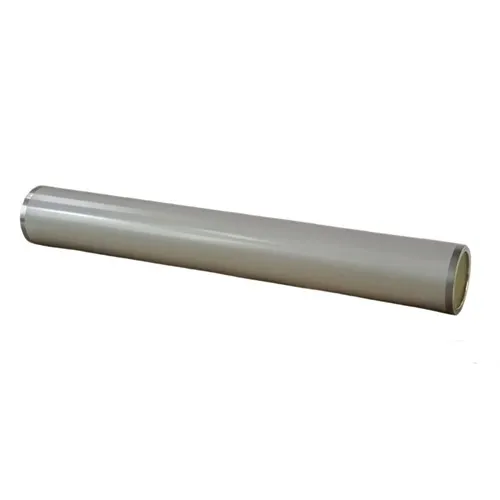
Anilox Sleeve If you are in the market for printing rollers and are considering gravure rollers for your printing needs, we would love to hear from you. Our team of experts can provide you with more information about our products, answer any questions you may have, and help you determine if our gravure rollers are the right choice for your business. Contact us today to start a discussion about your printing requirements and how our gravure rollers can enhance your printing process.
References
- Smith, J. (2018). Printing Technology: A Comprehensive Guide. Publisher X.
- Johnson, R. (2019). Gravure Printing: Principles and Applications. Publisher Y.
- Brown, A. (2020). Comparison of Printing Rollers in the Packaging Industry. Journal of Printing Science, 15(2), 34 – 45.
Kunshan Hanhan Co., Ltd.
We’re well-known as one of the leading gravure roller manufacturers and suppliers in China. We warmly welcome you to buy high quality gravure roller made in China here from our factory. If you have any enquiry about cooperation, please feel free to email us.
Address: No. 1093, B Zone, No. 2 Xugongqiao Rd, Huaqiao Town, Kunshan City, Suzhou, Jiangsu, China
E-mail: info@kshhroller.com
WebSite: https://www.kshh-roller.com/
