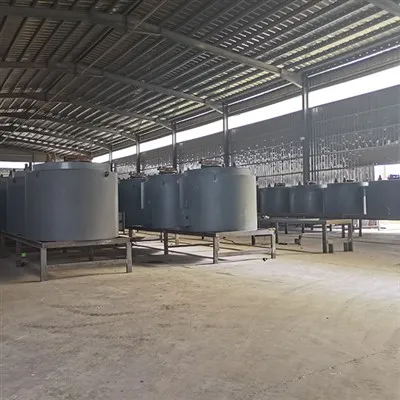
Monitoring the operation status of PMMA (Polymethyl Methacrylate) cracking furnaces is a critical task that directly impacts the efficiency, safety, and product quality in the chemical production process. As a supplier of PMMA cracking furnaces, I understand the significance of providing comprehensive guidance on how to effectively monitor these complex systems. In this blog, I will delve into the key aspects of monitoring PMMA cracking furnace operation, sharing insights and practical tips based on my industry experience. PMMA Cracking Furnace
Understanding the PMMA Cracking Process
Before discussing monitoring methods, it’s essential to have a basic understanding of the PMMA cracking process. PMMA cracking furnaces are used to break down PMMA polymers into their monomeric form, methyl methacrylate (MMA). This process typically involves high – temperature pyrolysis, where PMMA is heated to a specific temperature range in the cracking furnace. The cracking reaction is highly sensitive to temperature, pressure, and residence time, and any deviation from the optimal conditions can lead to reduced MMA yield, increased by – product formation, and potential safety hazards.
Key Parameters for Monitoring
Temperature
Temperature is one of the most critical parameters in PMMA cracking furnaces. The cracking reaction of PMMA occurs within a specific temperature range, usually between 400 – 600°C. Maintaining a stable and accurate temperature is crucial for achieving high – quality MMA production.
To monitor temperature, thermocouples are commonly used. These sensors are placed at various locations within the furnace, including the heating zone, the reaction chamber, and the outlet. By continuously measuring the temperature at these points, operators can detect any abnormal temperature fluctuations. For example, a sudden increase in temperature may indicate a malfunction in the heating system, such as a stuck heater or a blocked gas flow. On the other hand, a decrease in temperature could be due to a problem with the heat supply or an issue with the furnace insulation.
Pressure
Pressure monitoring is also vital in PMMA cracking furnaces. The pressure inside the furnace affects the reaction rate and the stability of the cracking process. High pressure can cause excessive stress on the furnace walls and increase the risk of leaks or explosions, while low pressure may lead to incomplete cracking reactions.
Pressure sensors are installed at different positions in the furnace, such as the inlet, outlet, and the reaction chamber. These sensors provide real – time pressure readings, allowing operators to adjust the process parameters accordingly. For instance, if the pressure in the furnace exceeds the set limit, the operator can reduce the feed rate of PMMA or adjust the gas flow rate to maintain a safe pressure level.
Flow Rate
The flow rate of PMMA feedstock and the gases used in the cracking process is another important parameter to monitor. The feed rate of PMMA should be carefully controlled to ensure a consistent supply of material for the cracking reaction. An improper flow rate can lead to uneven cracking, reduced yields, and increased energy consumption.
Flow meters are used to measure the flow rate of PMMA and gases. By monitoring the flow rates, operators can optimize the process and ensure that the furnace is operating at its maximum efficiency. For example, if the flow rate of PMMA is too low, the reaction may not proceed at an optimal rate, while a high flow rate may cause overloading of the furnace.
Product Quality
Monitoring the quality of the MMA product is essential to ensure that it meets the required specifications. Parameters such as purity, color, and molecular weight distribution can provide valuable information about the performance of the cracking furnace.
Sampling ports are installed at the outlet of the cracking furnace to collect product samples at regular intervals. These samples are then analyzed using various analytical techniques, such as gas chromatography (GC) and high – performance liquid chromatography (HPLC). By comparing the analytical results with the quality standards, operators can determine if any adjustments are needed to the furnace operation. For example, if the purity of the MMA product is lower than expected, it may indicate that the cracking temperature or residence time needs to be adjusted.
Monitoring Systems and Technologies
SCADA Systems
Supervisory Control and Data Acquisition (SCADA) systems play a crucial role in monitoring PMMA cracking furnaces. These systems collect data from various sensors installed in the furnace, such as temperature, pressure, and flow rate sensors. The data is then transmitted to a central control room, where operators can monitor the furnace operation in real – time.
SCADA systems also allow operators to set up alarms for abnormal conditions. For example, if the temperature in the furnace exceeds a certain threshold, an alarm will be triggered, notifying the operator to take immediate action. In addition, SCADA systems can store historical data, which can be used for process analysis and optimization.
Online Analytical Instruments
Online analytical instruments, such as Fourier – transform infrared (FTIR) spectrometers and mass spectrometers, can provide real – time information about the composition of the gases and products in the cracking furnace. These instruments are connected to the furnace through sampling lines and can continuously analyze the samples.
Online analytical instruments are particularly useful for monitoring the quality of the MMA product and detecting the presence of any impurities or by – products. By providing real – time feedback, these instruments allow operators to make timely adjustments to the furnace operation to ensure product quality.
Maintenance and Troubleshooting
Regular maintenance is essential for ensuring the reliable operation of PMMA cracking furnaces. This includes cleaning the furnace, inspecting the sensors and control systems, and replacing any worn – out components.
In addition to regular maintenance, operators should also be trained to troubleshoot common problems that may occur during the furnace operation. For example, if the temperature in the furnace is not reaching the set point, the operator should check the heating system, including the heaters, thermocouples, and control valves. If the pressure in the furnace is unstable, the operator should inspect the gas supply system and the pressure sensors.
Conclusion
Monitoring the operation status of PMMA cracking furnaces is a multi – faceted task that requires a combination of accurate sensors, advanced monitoring systems, and well – trained operators. By closely monitoring key parameters such as temperature, pressure, flow rate, and product quality, and using appropriate technologies and maintenance practices, operators can ensure the efficient, safe, and reliable operation of PMMA cracking furnaces.
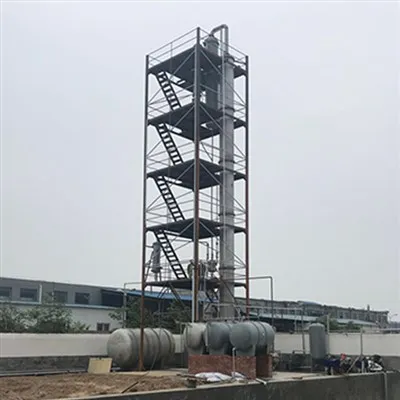
Distillation Column If you are in the market for a high – quality PMMA cracking furnace or need more information on monitoring and operating these systems, I encourage you to reach out to us for a detailed discussion. We are committed to providing the best solutions and support to meet your specific needs.
References
- Smith, J. (2018). Chemical Reaction Engineering in Polymer Cracking Processes. Elsevier.
- Jones, A. (2019). Advanced Monitoring Technologies for Industrial Furnaces. Taylor & Francis.
- Brown, L. (2020). Quality Control in MMA Production from PMMA Cracking. Wiley.
Wuxi Quansheng Industrial Equipment Co., Ltd.
As one of the most professional PMMA cracking furnace manufacturers and suppliers in China, we have world-leading production equipment and strong manufacturing capabilities. Welcome to buy high quality PMMA cracking furnace for sale here from our factory. For price consultation, contact us.
Address: No.10, Fulaiqiao Road, Hudai Town, Binhu District, Wuxi City, Jiangsu Province, China
E-mail: 397293586@qq.com
WebSite: https://www.pmmatech.com/
